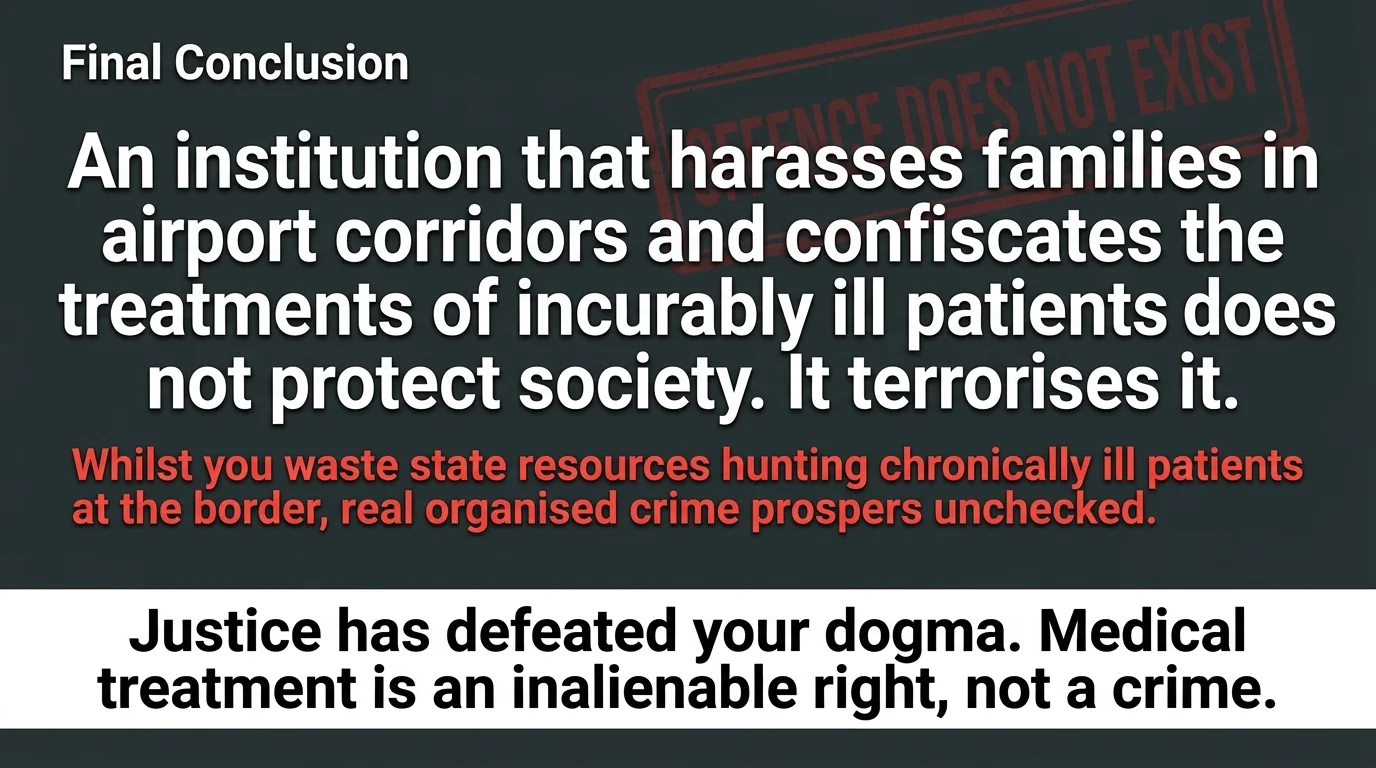
Justice vs Abuse — Part 4: Returned, Then Taken Again
On 19 October 2026, after 818 days, the state handed my treatment back; two hours later, gendarmes took it again. The story of that day, my reply to DIICOT, and what the law says.
The two hours of 19 October
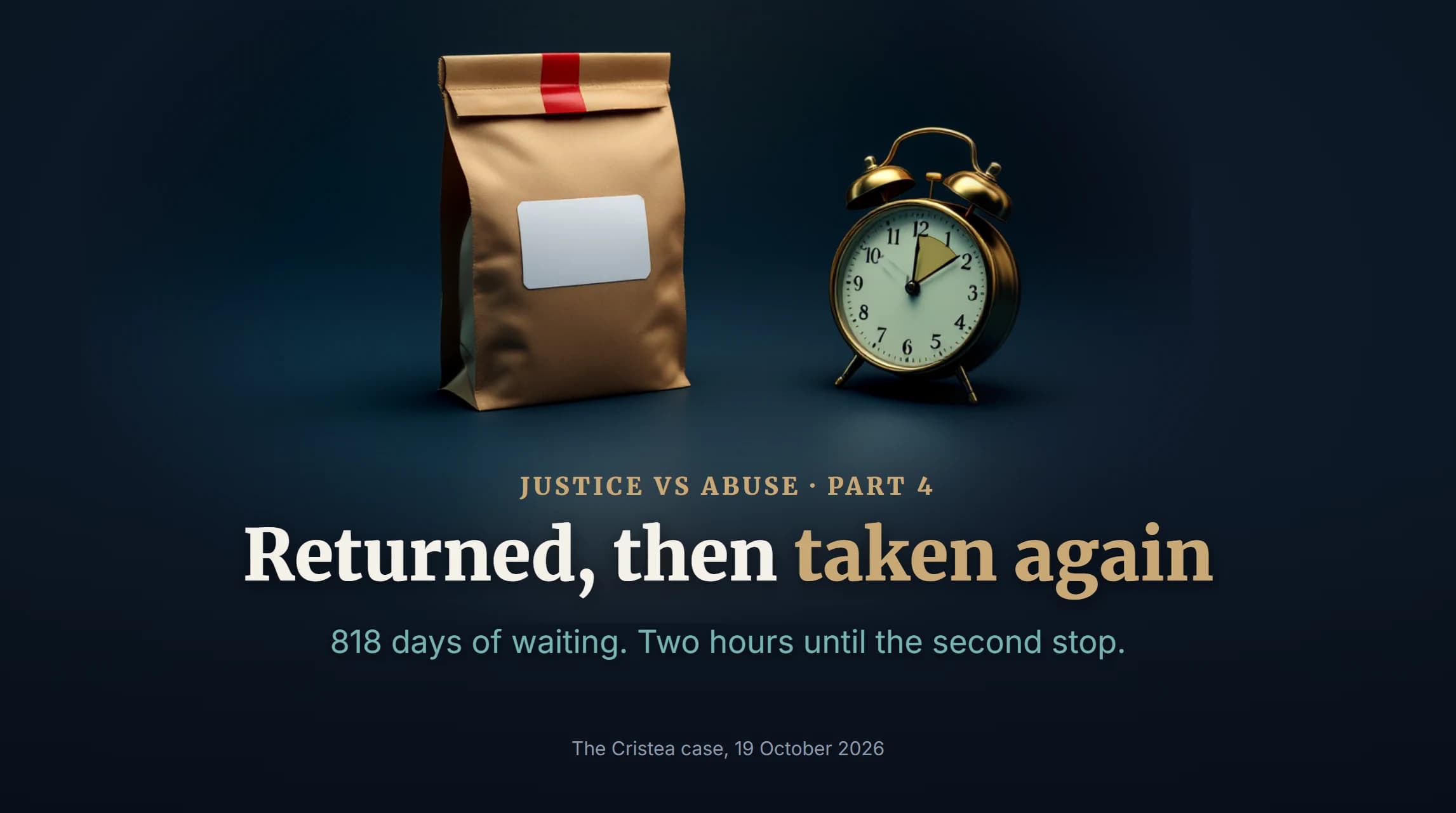
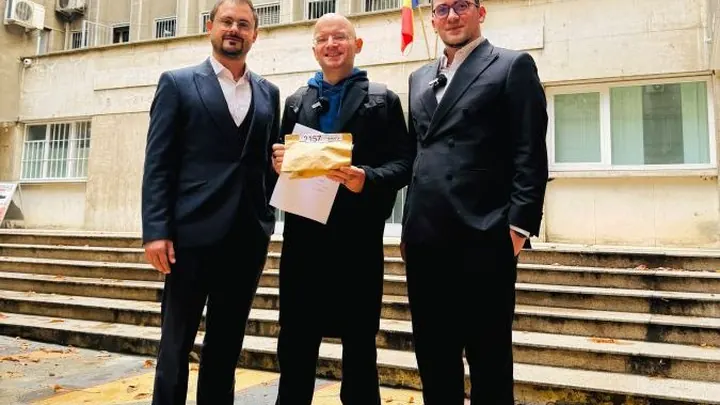
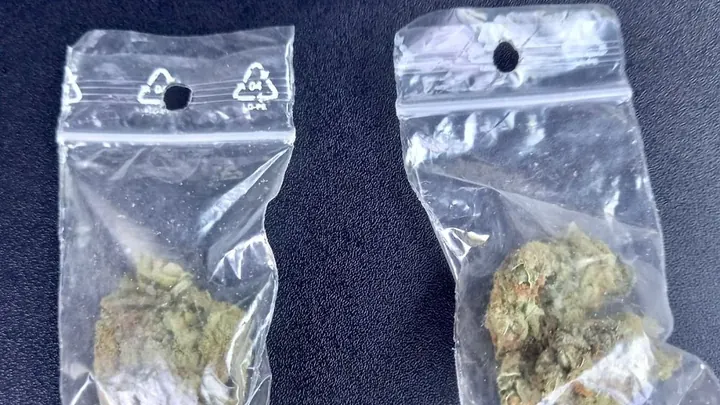
On Monday 19 October 2026, the Brigade for Combating Organised Crime (BCCO) returned my medical cannabis treatment to me, under the final court ruling. They had taken it from me at Otopeni Airport on 23 July 2024. That is 818 days.
It was in an evidence bag, with the case number and the BCCO seal still stuck on it. And I was happy, I won't pretend otherwise. I said so right then, to the camera: that it was an unexpected victory, that I had many times lost all optimism, but that I was enormously glad. That I am not a criminal, I am only a patient, and that after two years I think I had finally managed to prove it. “I think the hardest part is behind me,” I said. “I hope it's only a formality, and that from here on only good things follow.”
It didn't last.
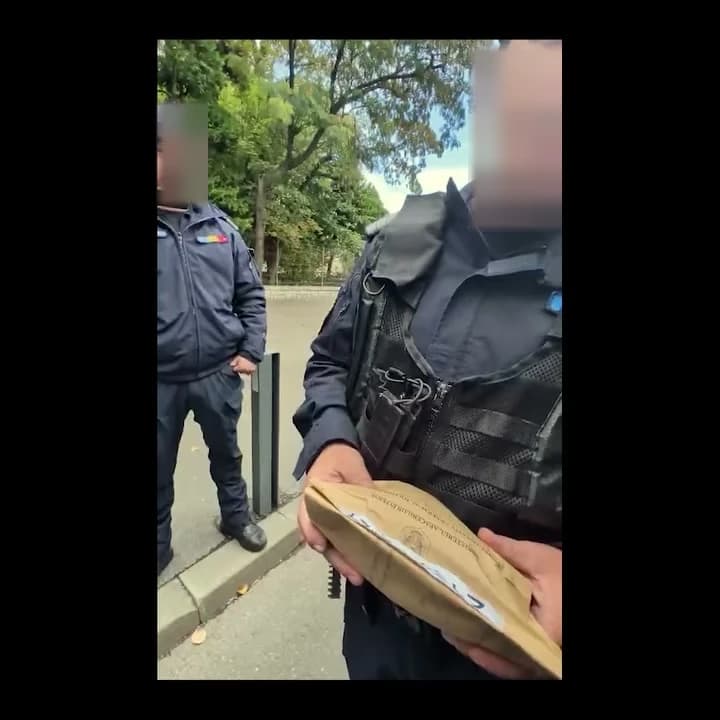
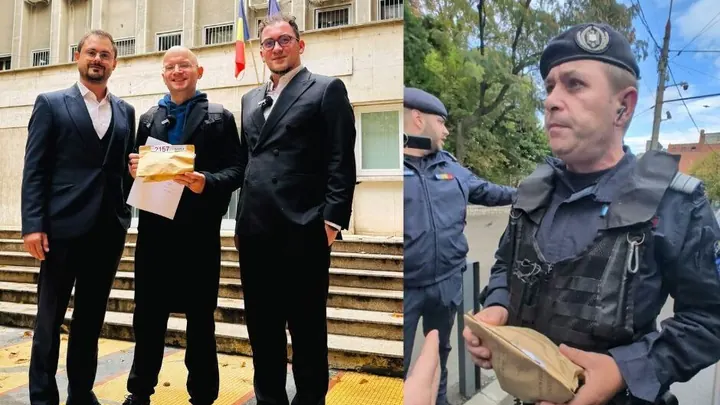
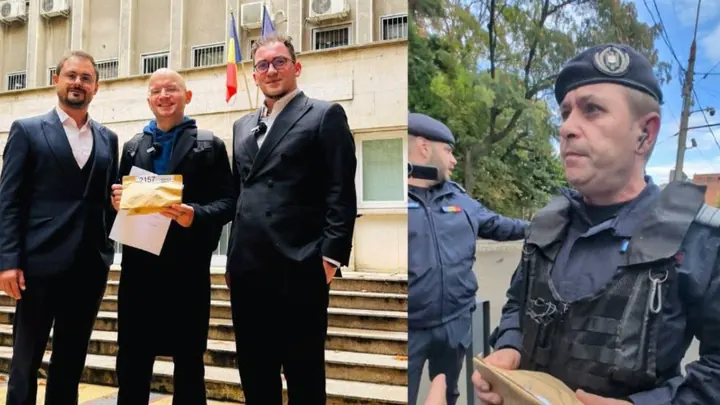
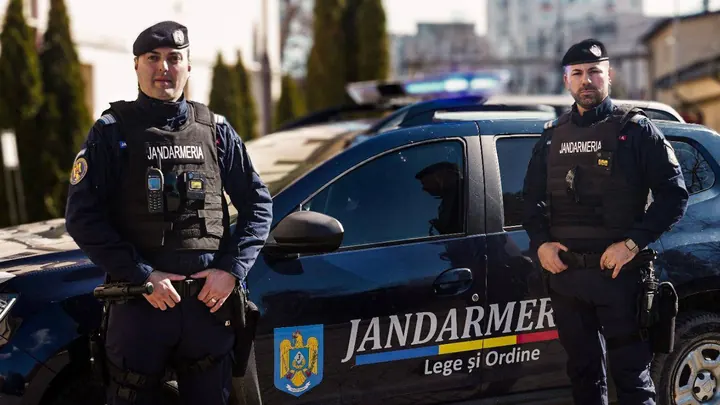
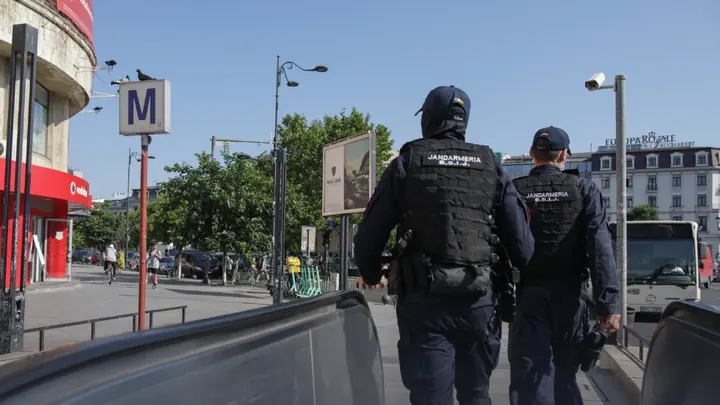
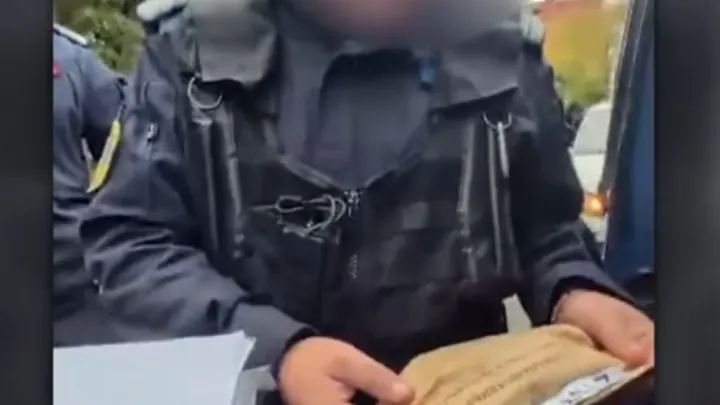
About two hours later, in a taxi on the way to a hearing, with my lawyers, a Gendarmerie van stopped us in traffic, in Bucharest. Several gendarmes got out, between six and eight, I didn't manage to count them, all with their cameras already in their hands. They knew what I was carrying, although I hadn't taken anything out of the evidence bag. They told me they had noticed “a suspicious paper bag” and cited Law 143/2000.
I explained what can be explained on a street: that Romanian law has no “prohibited substances”, only controlled substances, that this is a legally prescribed medical treatment, that I had the final ruling ordering its return. The answer, in short: the court returned it to me, but that doesn't mean I'm allowed to walk down the street with it. I tried a bitter joke: “They put it in my hand to go to Mars with it straight from BCCO! They were launching me into orbit!”
The gendarme said it plainly: “I am taking it with a view to confiscation. Others decide whether it is confiscated or not.”
They took the treatment that had just been returned. They also took the treatment I had come into the country with two days earlier: on 17 October I had declared it at Otopeni, in the red channel, with my prescriptions and all my documents, and after checks I was allowed in. I was left without any treatment again. For Crohn's disease and for chronic pain, that is not a formality. “I have to stay without treatment until Saturday,” I said into the camera. “Again.”
How did I feel? I said it in the moment, and I repeat it without changing a word: “I don't even have the words to explain what I feel now. It is incredible!” I could hardly work out how I had ended up in trouble again. And a little later: “I don't want to go through this nightmare for another two years. I can't anymore.” As for my state of mind, with a kind of black humour, I said I had left it at the station. The next day I was still processing what had happened.
In the moment I said something else too: that it all felt like a trap, like something premeditated. I have no proof of that and I don't present it as fact. That is how it felt then.
I filmed the scene myself, for the documentary “Pacient. Infractor”, which Ștefan Schultz is making about my case. A clip reached Facebook as a reel, and from there HotNews, Antena 3 CNN and PressOne picked it up.
How I got to 818 days
If you haven't read Part 1 and Part 2, here is the thread, as DIICOT itself confirmed it in its public explanation of 23 October:
March 2023
I enter legally, with my treatment declared
Invited by an MP to Parliament's Health Committee, I declare my treatment at Otopeni. After a few dozen minutes of checks at the border, I am allowed in.
23 July 2024
My treatment is taken
I declare my treatment again, at the same airport. This time, my treatment, prescribed in the United Kingdom, is taken from me.
20 September 2024
The case is closed
The prosecutor closes the case, because the act was not committed “with the guilt required by law”. Confiscation is ordered in the same decision.
17 October 2025
The judge rejects confiscation
The judge rejects the confiscation request and orders the treatment returned.
28 January 2026
The ruling becomes final
The Bucharest Court of Appeal rejects DIICOT's challenge as inadmissible, in a final ruling.
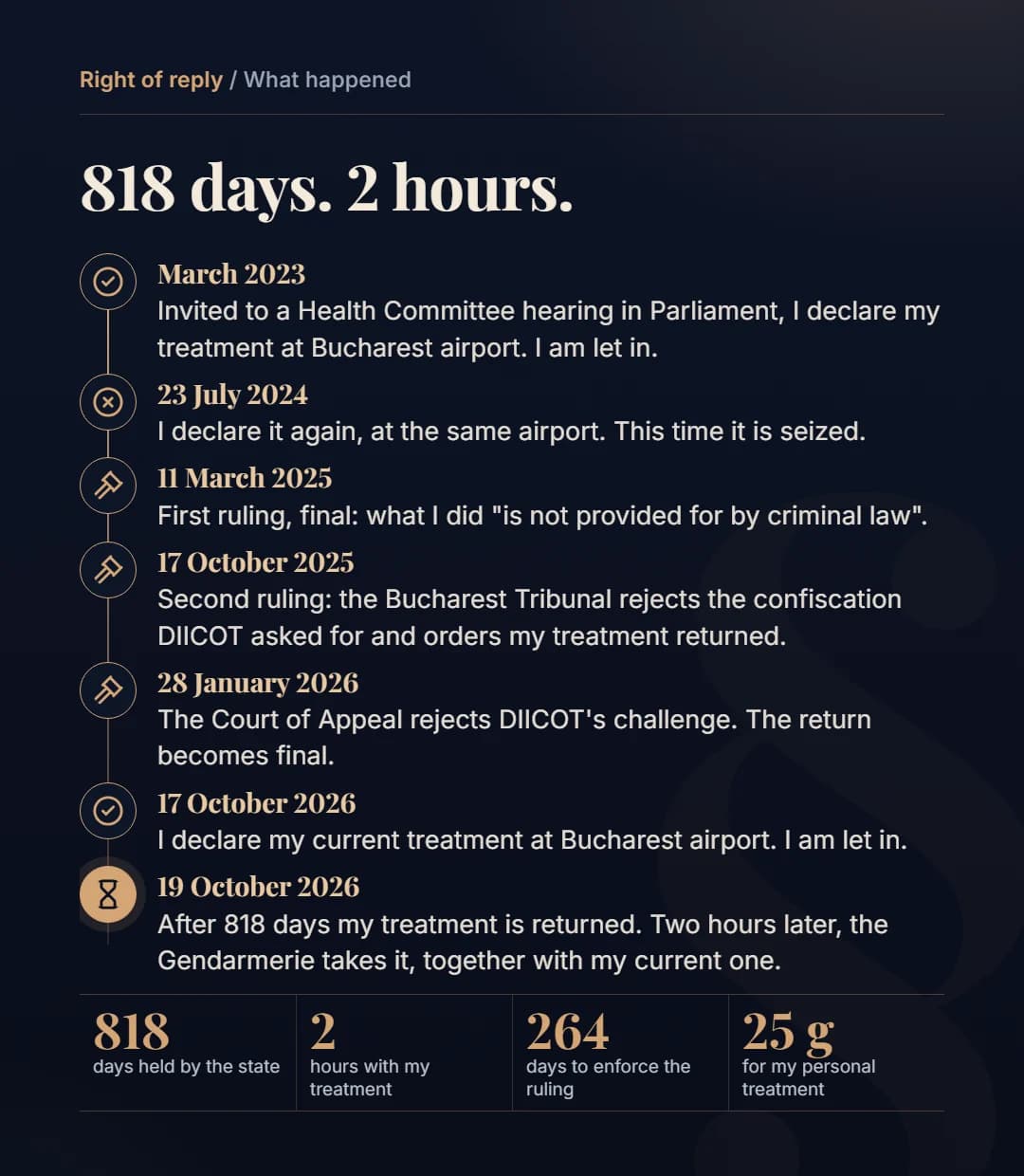
One thing seems essential to me: over 18 months of proceedings I won three times in court, the last at the Bucharest Court of Appeal, and the judges ordered the treatment returned. The ruling is final. Everything that happened on 19 October comes down to how institutions apply, or don't apply, a decision that has already been made.
The beginning wasn't like this either. In 2023 I had come through the same airport, with my treatment and my prescription, after a few dozen minutes of checks at the border. An MP had invited me to give evidence to Parliament's Health Committee, and I brought the cannabis right there, in front of the experts and the politicians. So a year later I believed I could travel without worry. In July 2024, through that same airport door, the story of the 818 days began.
Eight days in Romania: 17-24 October
My visit to Romania lasted eight days, from Saturday 17 to Saturday 24 October. To show how fast things followed one another, here is the whole week, day by day.
Saturday, 17 October
I enter the country again
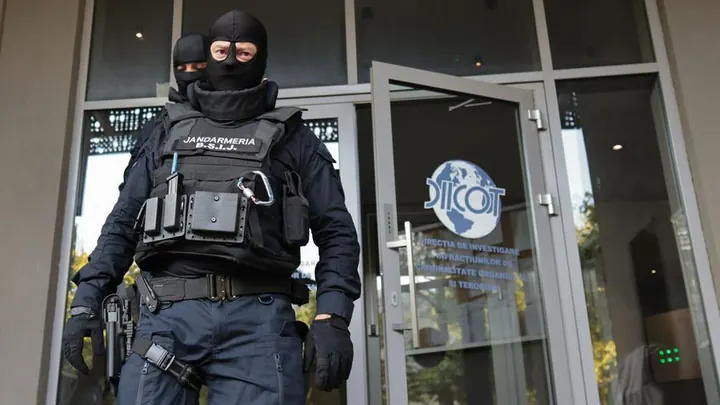
I land at Otopeni, walk through the red channel and declare everything: the medical cannabis and the lisdexamfetamine, with my prescriptions and the three court rulings. Phone calls follow between the officers and their superiors. Nothing is withheld. I am told that, without the rulings, I would have received a criminal file, as in 2024.
Monday, 19 October, morning
My treatment is returned
After 818 days, I get my treatment back, sealed, with an official record, as the final court ruling ordered.
Monday, 19 October, about two hours later
Stopped in traffic, taken again
A Gendarmerie van stops the taxi I was in with my lawyers. Both treatments are taken: the one just returned and the one I had come into the country with. I spend several hours at the station and am left with no treatment at all. That evening the first articles appear, at Clujust and Gândul.
Tuesday, 20 October
The footage reaches the press
A clip of the footage, posted as a reel on Facebook, is picked up by HotNews (with the exchange from the taxi, transcribed), Antena 3 CNN and Observator. The headlines talk about the 818 days and about “Groundhog Day”. That evening Recorder includes the case in its news, in the “România absurdă” (“Absurd Romania”) segment. Digi24 follows the next day.
Wednesday, 21 October
The press conference in Parliament
At 13:00, in the Palace of Parliament, USR MP Emanuel Ungureanu, Alexandra Cârstea (Victoria Mea Association) and Eugen Teodorovici ask for “treatment, not drugs”. I tell what happened too. The same day a new criminal file is registered at DIICOT, Central Structure, and is being handled.
Thursday, 22 October
The Gendarmerie's explanation, PressOne's analysis, Radio Guerrilla
Digi24 publishes the Gendarmerie's explanation, as it was told to me, and notes that it received no official response. PressOne publishes “Gramul, nu tona” (“The gram, not the ton”), a critical analysis of DIICOT's priorities in which my case appears as an example. In the evening, around 17:30, I join Radio Guerrilla's programme “Sinele Învinge” by phone and describe the second seizure.
Friday, 23 October
DIICOT responds publicly
DIICOT publishes a nine-page text in reply to the statements made in Parliament. It is picked up by Adevărul, Mediafax and Juridice.ro, which also writes about the new criminal file.
Saturday, 24 October
I return to the United Kingdom
I leave Romania and resume my treatment in the United Kingdom. The treatment taken on 19 October remains with the authorities.
What the institutions say
The Gendarmerie. The explanation they gave me on the spot: the Bucharest Court of Appeal ruling gave me the right only to the return of the treatment, not the right to possess it in Romania. Digi24 notes it received no official response from the Gendarmerie, so the explanation above is theirs as it was told to me.
DIICOT. On 23 October, two days after the press conference in Parliament, DIICOT published a public response. The prosecutors say the confiscation request was not aimed at punishing me, but at taking out of circulation a substance whose possession, in their view, is prohibited under current law. They say the rulings in this case do not change the legal status of cannabis in Romania and cannot serve as a precedent. They also say court decisions in similar cases are “not uniform” and ask Parliament to clarify the rules. They rejected accusations that they acted harshly and say the proceedings stayed “within the limits of the law and under court supervision”.
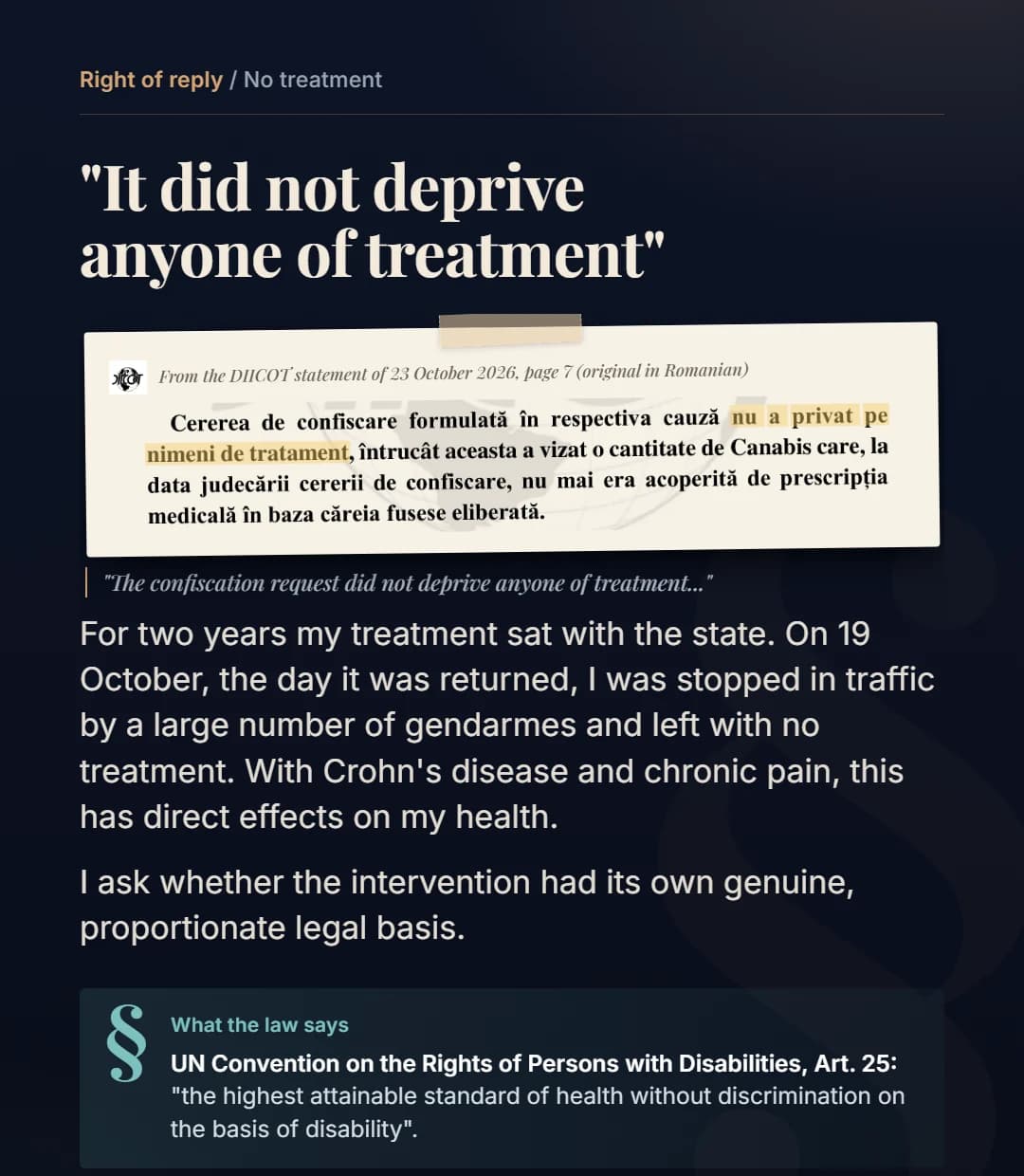
I won't repeat every argument here, my point-by-point reply comes below. I'll hold on to just two things.
First: DIICOT itself acknowledges that the law is unclear and asks Parliament to clarify it. On that, we agree.
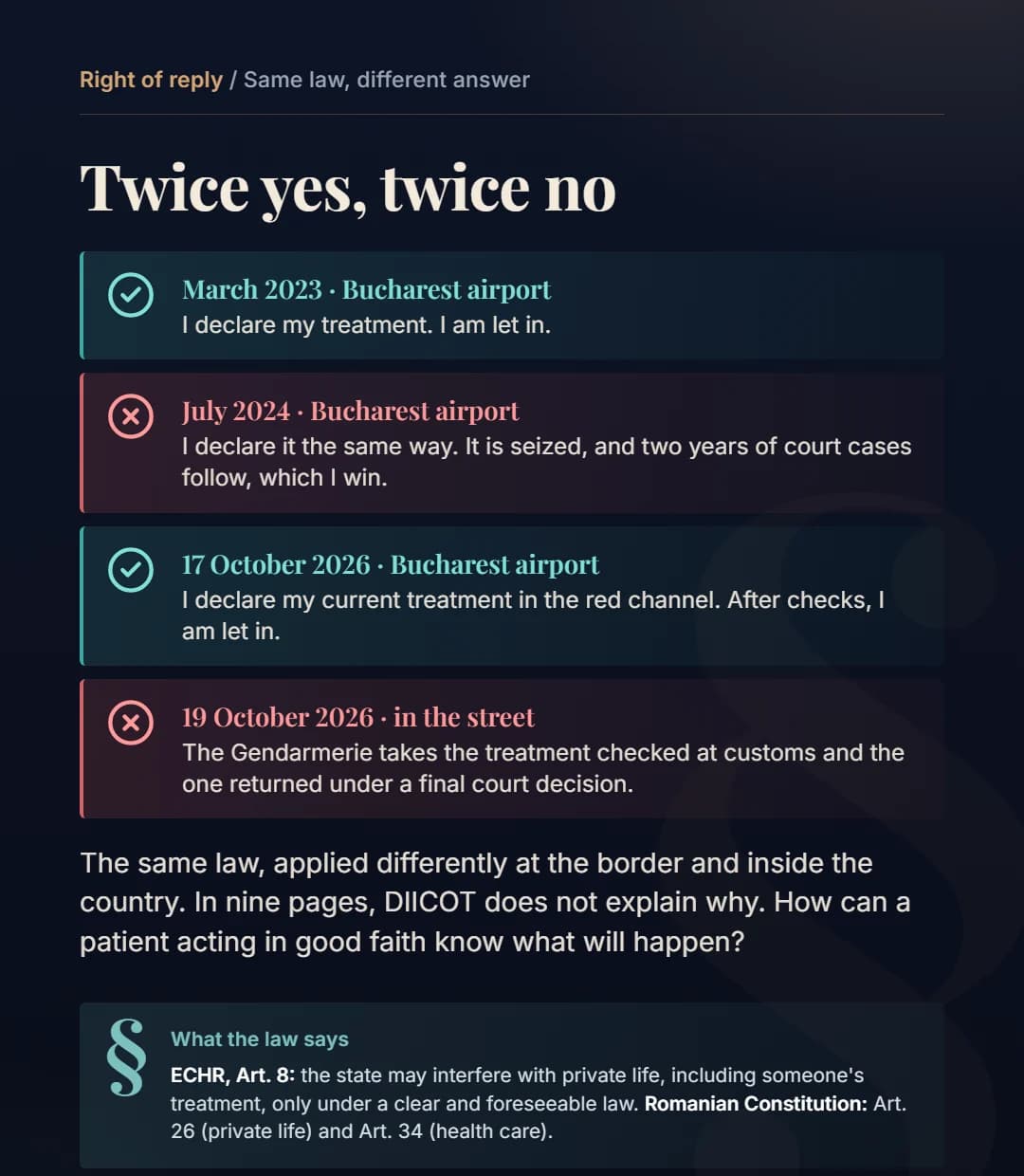
The second is the question that gives me no peace. How is a patient supposed to comply with a law that the prosecutors themselves call unclear? How do you know what you are allowed to do, when one state institution checks your papers and lets you in with your treatment, and two days later another one takes it from you?
My reply to DIICOT, point by point
On 1 November 2026 I published my full right of reply on Facebook: the post on my profile (in Romanian). Here I sum it up point by point, and the video below tells it in about four minutes.
A final court decision has to mean something. I won in court three times. On 11 March 2025, the Bucharest Tribunal ruled that what I did “is not provided for by criminal law”. On 17 October 2025, the same court rejected the confiscation DIICOT had asked for and ordered my treatment returned. On 28 January 2026, the Bucharest Court of Appeal rejected DIICOT's challenge, and the return became final. Returning a treatment does not mean handing it over for two hours. It means the person can keep it. Otherwise the ruling is respected only on paper: the state gives the medicine back, then says it is illegal to have it. It is a situation worthy of Kafka: you win a final ruling in court, the state gives you your treatment back, and two hours later another body of the same state takes it away and tells you that you are not allowed to have it. DIICOT itself writes that, for a return to be carried out, the person must have the right to hold the item. If it saw a legal obstacle, it could have asked the judge before the return, not after.
“Court decisions are not a source of law.” True, and nobody said otherwise. They do not change the law for the whole country, but they are binding in my case, on every party to it. DIICOT was a party, and it lost. In the same text, DIICOT acknowledges that the court ruled, with final effect, that what I did “is not provided for by criminal law”, and a few paragraphs later says the arguments the court rejected “remain valid for any similar situation”. DIICOT is entitled to its opinion of the law. It is not entitled to treat a final judgment as if it did not exist. The rulings in my case do not create an exception for me, and I have never asked for one: they apply the law that exists for everyone.
The “old” prescription. DIICOT says that by the time of the return, my July 2024 prescription was too old. But my treatment was confiscated and kept by the Romanian authorities for 818 days, from 23 July 2024 to 19 October 2026, and after the decision became final, the return itself took almost nine more months. The court ordered the return knowing the date of the prescription. On 19 October I no longer held the treatment only on the basis of a prescription, but on the basis of a final court decision, carried out by the state's own institutions, with an official record. The state cannot hold a medicine for two years, then say too much time has passed.
A new law. DIICOT asks Parliament for a law that would “expressly provide” that seized treatment is not returned. If a new law is needed, the current law does not say that.
What the law says
DIICOT writes at length about importing medicines, and about cannabis flower not being listed in Romania's register of authorised medicines. All of that concerns the trade in medicines. I do not sell or import anything. I carry my own treatment, as millions of travellers carry theirs. Wherever I say what the law says, I give the article, so anyone can check.
- Law 339/2005, Art. 40: prohibits possession “unless it is authorised under this law and its implementing rules”.
- The implementing rules of Law 339/2005 (Government Decision 1915/2006), Art. 45 and 49: the quantity of medicines held by international travellers for personal treatment “is considered neither export nor import”, and a person entering Romania proves lawful possession “by presenting a medical prescription, a medical certificate or a certificate for holding the medicines”, up to the amount needed for treatment.
- Table II of Law 339/2005: cannabis is listed among the plants “of interest in medicine”. The Romanian Ministry of Health confirmed to me in writing on 26 May 2026 that “the plants, substances and preparations listed in Table II [...] may be legally brought into Romania for medical purposes”. The Bucharest Tribunal said the same, in a final decision, on 11 March 2025.
- Law 143/2000, Art. 22: Romanian criminal law only prohibits use “without a medical prescription”.
- Code of Criminal Procedure, Art. 598(1)(c): any “uncertainty about the decision being enforced, or any obstacle to enforcement” is taken to the court.
- European Convention on Human Rights, Art. 6 and 8: enforcing a final judgment is part of the right to a fair trial (Hornsby v. Greece, 1997), and the state may interfere with decisions about one's own treatment only under a clear and foreseeable law.
- The Romanian Constitution, Art. 26 and 34: private life and the right to health care. UN Convention on the Rights of Persons with Disabilities (Law 221/2010), Art. 25: “the enjoyment of the highest attainable standard of health without discrimination on the basis of disability”.
Why lisdexamfetamine gets through and cannabis does not
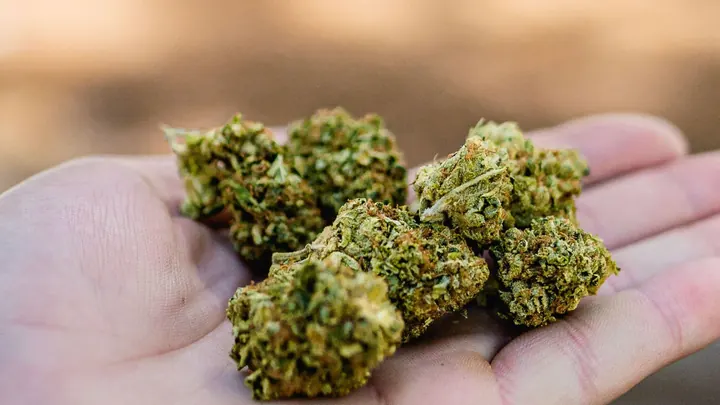
For ADHD I use, on prescription, cannabis and Elvanse (lisdexamfetamine). Lisdexamfetamine is also a controlled substance, even classified more severely than cannabis. Yet at Otopeni it goes through without a problem, while my cannabis treatment was taken from me, in 2024 and now again. The same legal basis, the same documents, two opposite decisions.
Why I say “treatment”, not “drugs”
At the press conference on 21 October, MP Emanuel Ungureanu, Alexandra Cârstea (Victoria Mea Association) and Eugen Teodorovici asked the press for something simple, which I repeat too: treatment, not drugs.
For me these words are not a matter of style. Crohn's disease took me, in 2014-2015, to 38-40 kilograms, to a point where I could no longer stand on my feet. I emigrated in 2015, because the health system here had not found any treatment that kept my illness under control. In the United Kingdom I campaigned for legalisation, and since 2019 I have received legally prescribed medical cannabis, as one of the first ten patients in the country. It gave me my life back after years in which I had become a burden to those around me and could no longer work.
This is not recreational use and it is not a party-political issue. The bill, PL-x 631/2019 (the Victoria Law), began in 2019 with a national civil-society petition and carries the signatures of 83 parliamentarians from across the parties.
And Romanian law has no concept of a “prohibited substance”. It speaks of substances under national control. The words matter, because they show whether a person is seen as ill or as a criminal.
What comes next
- The new criminal file is ongoing. I will not comment on its substance here while it is ongoing.
- The Victoria Law (PL-x 631/2019) remains before Parliament. The 21 October conference brought it back into the discussion.
- The treatment taken on 19 October remains with the authorities, and others decide whether it is confiscated or not. I have returned to the United Kingdom and resumed my treatment.
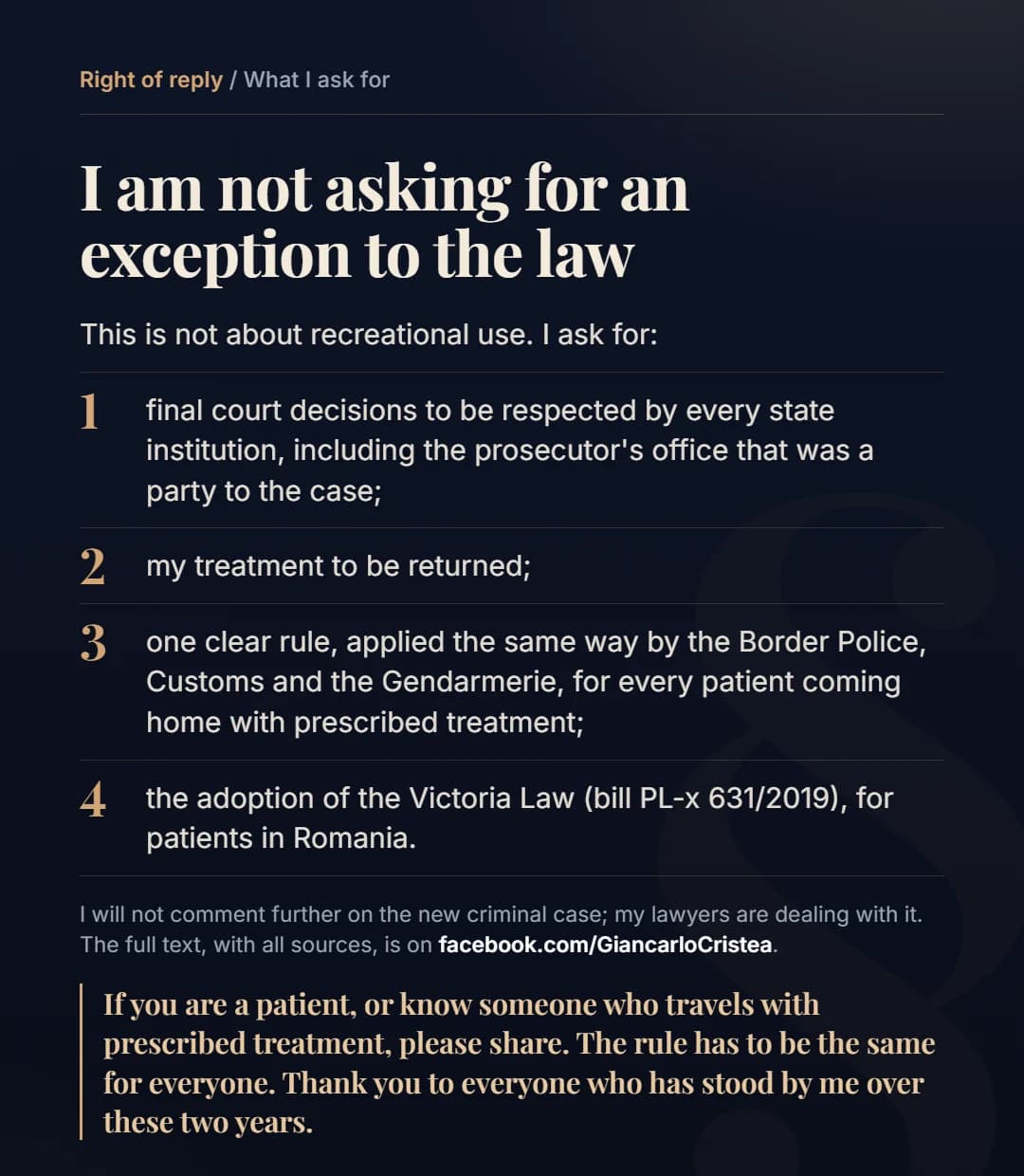
Romanian law recognises a patient's right to travel with their prescribed treatment, and the rulings in my case only applied that law, which holds for every patient. It is not a rule made for me.
I am not asking for an exception to the law. I am asking that a final ruling should mean something, that every state institution should apply the same rule, at customs, at the border and on the street, and that patients in Romania should finally have a clear law. Until then, I'll say it the way I know it: I am a patient, not a criminal.
If you are a patient travelling to Romania with a treatment prescribed in another country, read the Practical Guide. My case shows that a prescription recognised at the border does not yet protect you from a second stop.
What the press wrote
In the four days after 19 October, the press wrote about my case more than thirty times. TV reports, radio interviews and a few podcasts followed. I have gathered here every one I could find. Each card links to the original article, with the headline the outlet gave it, in Romanian.
First reports. The evening of 19 October.
 (opens in a new tab)
Canabis restituit de DIICOT în urma unei decizii, confiscat de jandarmi după o oră
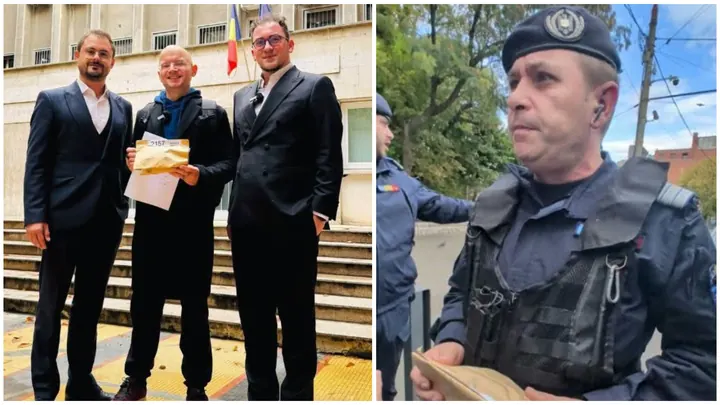 (opens in a new tab)
Giancarlo Cristea a venit din Anglia cu o rețetă medicală pentru consum de cannabis. Procurorii i-au confiscat cele 25 g de „marfă”. După un an, i-au restituit tânărului stupefiantele. La mai puțin de o oră după, jandarmii l-au oprit și i-au confiscat din nou „medicamentul”
With the footage. The reports that show the moment the gendarmes stop the taxi and take my treatment again.
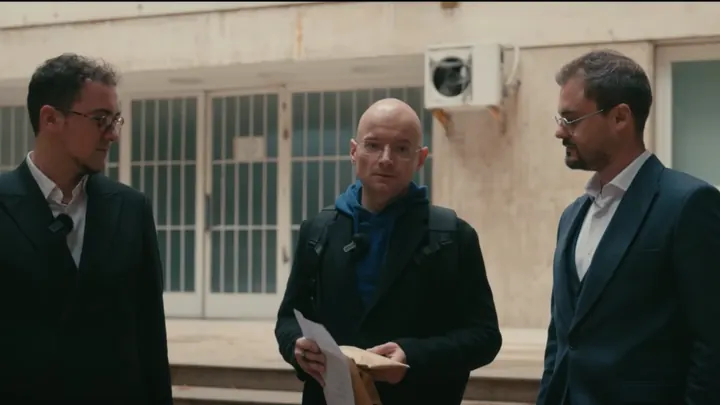 (opens in a new tab)
Dialogul dintre jandarmi și bărbatul căruia i-a fost confiscat din nou canabisul medicinal, după ce instanța i l-a restituit. Era într-un taxi cu avocații
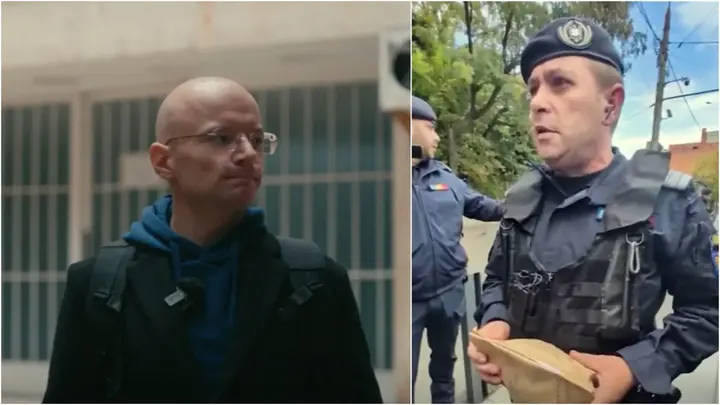 (opens in a new tab)
A așteptat 818 zile să-și primească înapoi canabisul medicinal. Jandarmii i l-au confiscat din nou după mai puțin de două ore
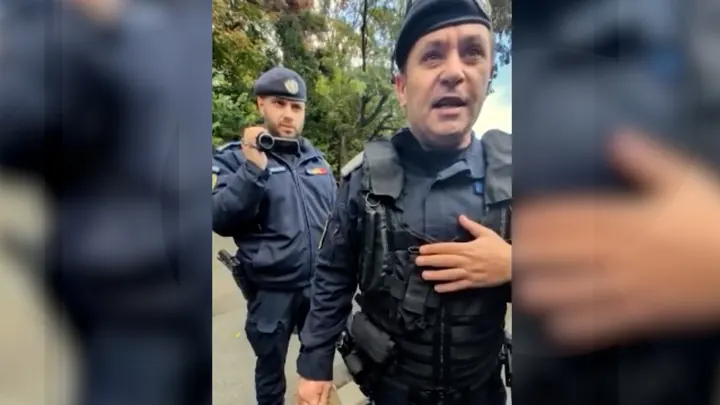 (opens in a new tab)
„Ziua Cârtiţei” pentru un român cu canabis medicinal. Prins de poliţişti, eliberat şi apoi prins iar
 (opens in a new tab)
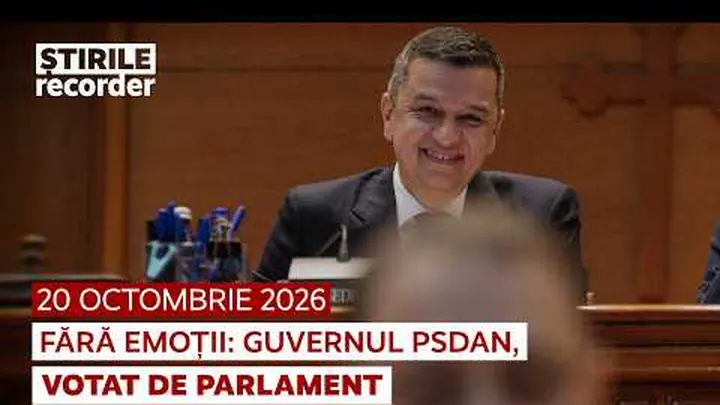
20 OCTOMBRIE 2026. Fără emoții: guvernul PSDAN, votat de Parlament
Evening news, “România absurdă” (“Absurd Romania”) segment, from 20:21.
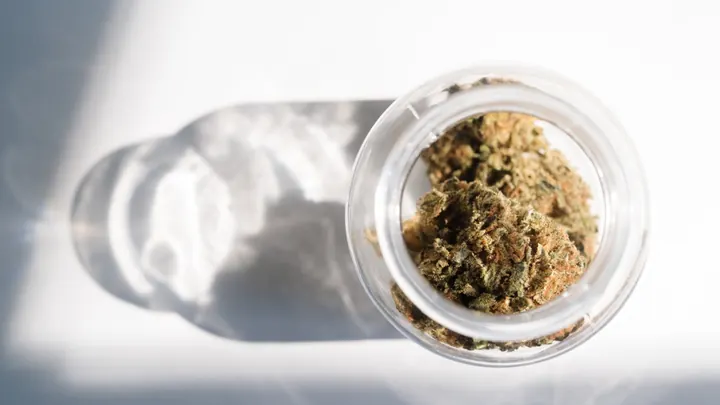 (opens in a new tab)
Situație bizară în București. Un bărbat care își recuperase în instanță canabisul a fost oprit de jandarmi și s-a ales cu dosar penal
Explanations and analysis. What the institutions say and what journalists ask.
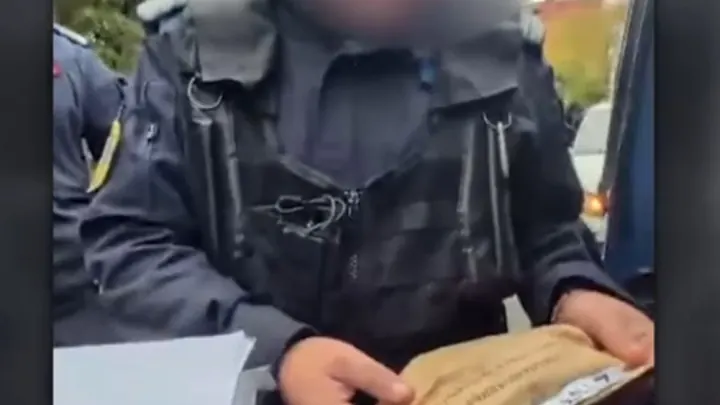 (opens in a new tab)
Cum a ajuns bărbatul cu rețetă pentru canabis medicinal să aibă din nou dosar penal. Explicația absurdă a Jandarmeriei
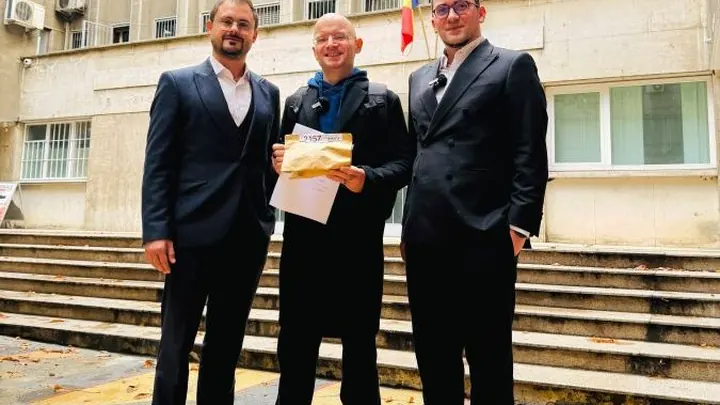 (opens in a new tab)
Situație absurdă. 25 de grame de canabis medicinal, restituite de DIICOT în baza unei decizii definitive, confiscate din nou după o oră de jandarmi. Exclusiv, Avocatul Sebastian Nagy relatează cazul pentru Sibiu100%
 (opens in a new tab)
DIICOT restituie 25 g de canabis medicinal, apoi jandarmii îl confiscă din nou după o oră, povestește avocatul Nagy
 (opens in a new tab)
Gramul, nu tona. De ce procurorii DIICOT nu luptă împotriva mafiei drogurilor, ci împotriva oamenilor de rând și a reformelor
 (opens in a new tab)
DIICOT explică de ce a cerut confiscarea canabisului medicinal restituit unui pacient care avea rețetă. Procurorii cer schimbarea legii
 (opens in a new tab)
DIICOT explică de ce a cerut confiscarea canabisului restituit unui pacient cu prescripții din Marea Britanie. Ce s-a întâmplat după predarea substanței
- (opens in a new tab)
DIICOT a deschis un nou dosar penal după ce jandarmii au oprit o persoană căreia procurorii îi restituiseră anterior canabisul
 (opens in a new tab)
Cum explică DIICOT cererea de confiscare a canabisului prescris medical, restituit unui pacient
Press & Radio.
 (opens in a new tab)
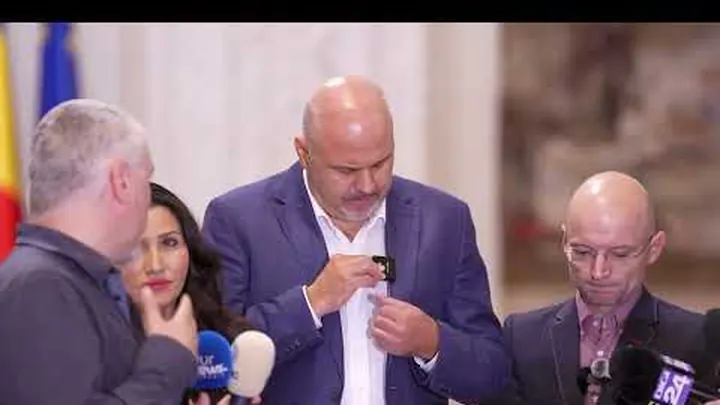
Declarații de presă Emanuel Ungureanu, deputat USR - 21 octombrie 2026
The full recording, on YouTube.
- (opens in a new tab)
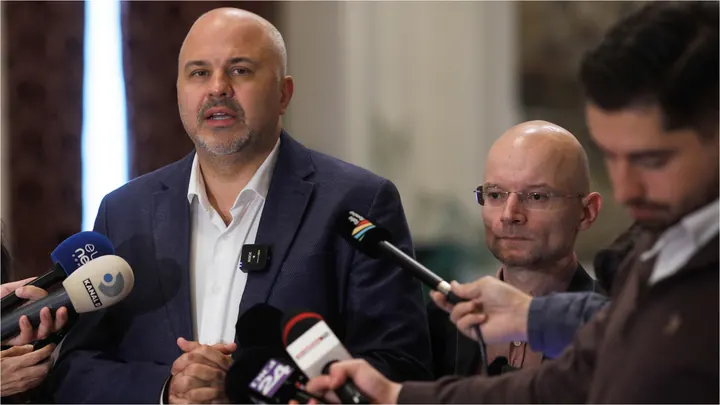
Ungureanu: Pacienți cu boli foarte grave sunt împiedicați de statul român să aibă acces la tratamente moderne
 (opens in a new tab)
Deputatul USR Emanuel Ungureanu, despre cazul bărbatului căruia DIICOT i-a confiscat canabisul, deși îi fusese prescris pentru o boală: „vorbim despre pacienți care sunt discriminați și hărțuiți de statul român”
Audio interview with MP Ungureanu.
 (opens in a new tab)
Legea canabisului medicinal, readusă în discuție după cazul unui român rămas fără tratament. Substanța i-a fost confiscată din nou, deși avea o decizie definitivă a instanței
“Sinele Învinge”
My phone interview, around 17:30, about the second seizure. The recording is not public.
Podcasts.
 (opens in a new tab)
ATACUL DE LA ȘCOALA DIN BISTRIȚA, STATUL HĂRȚUIEȘTE PACIENȚI & PROTESTELE DIN FRANȚA
Live stream on Twitch, chapter “M.A.I. confiscă medicamentele pacienților” (“The Interior Ministry confiscates patients' medicines”), from 52:13.
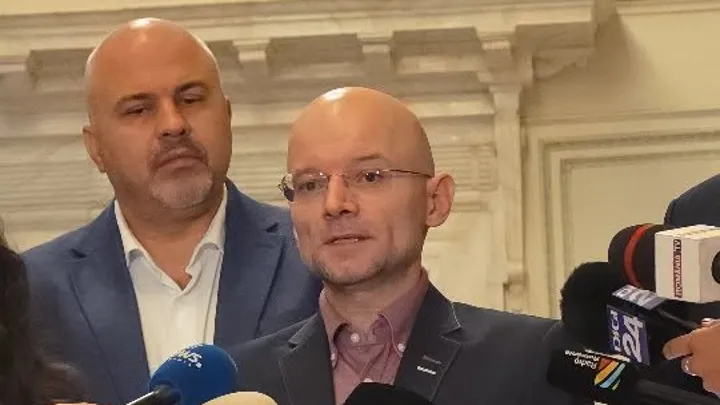 (opens in a new tab)
Interviuri cu Giancarlo și Alexandra, după conferința de presă
The interviews filmed in Parliament right after the press conference, on Facebook.
 (opens in a new tab)
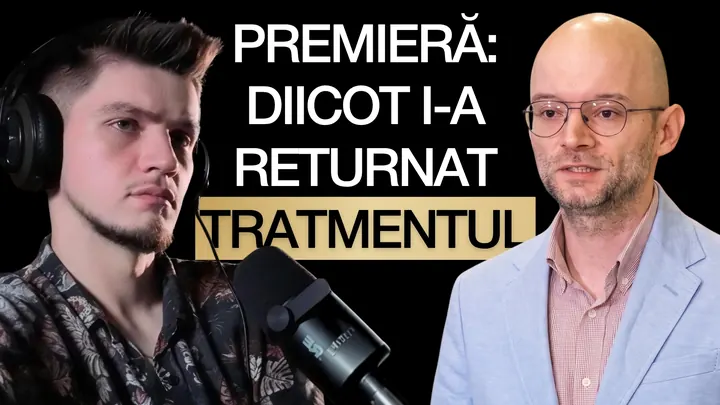
DIICOT i-a restituit tratamentul, Jandarmeria l-a confiscat EP19 cu Giancarlo Cristea LEGEA PE SLEAU
The “Legea pe Șleau” podcast, episode 19, on YouTube.
 (opens in a new tab)
Giancarlo Cristea, interviu: tratamentul cu canabis restituit de DIICOT și confiscat de jandarmi după o oră
The interview, in writing.
 (opens in a new tab)
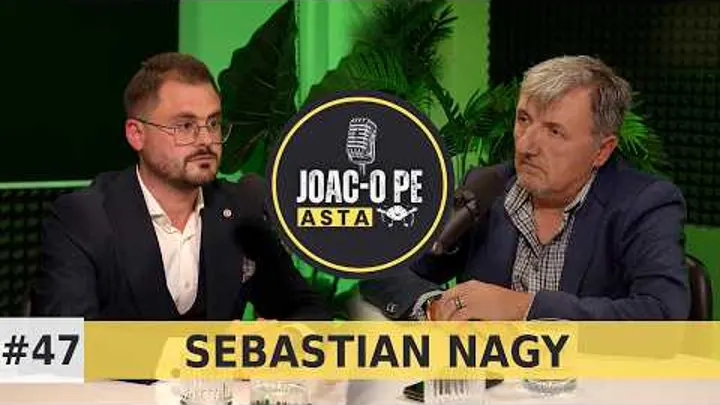
SEBASTIAN NAGY: ”Am fost înconjurați de jandarmi” – | PODCAST #47
Podcast with lawyer Sebastian Nagy.
Other reports, mostly reprints.
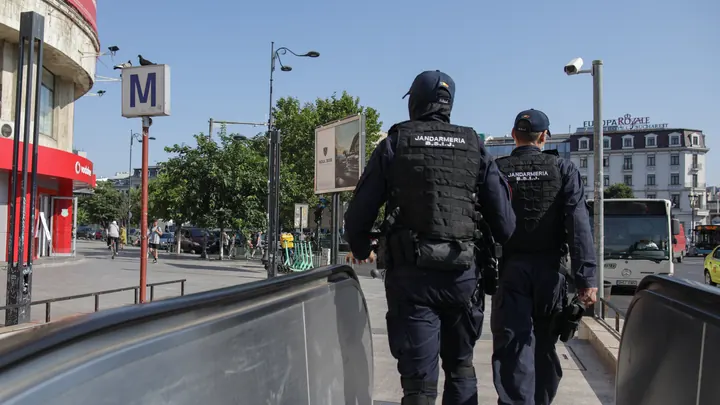 (opens in a new tab)
Un bărbat a primit înapoi de la DIICOT canabisul confiscat în 2024, după o decizie a instanței. Jandarmii i l-au confiscat din nou după o oră
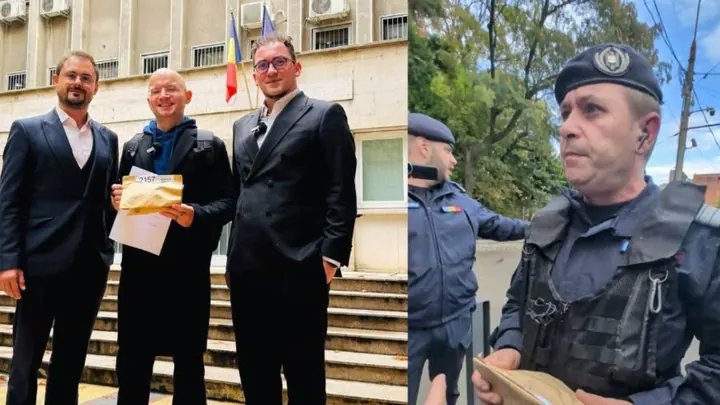 (opens in a new tab)
Situație absurdă în cazul unei pungi de canabis medicinal: DIICOT a restituit-o după o decizie definitivă, dar jandarmii au confiscat-o după o oră
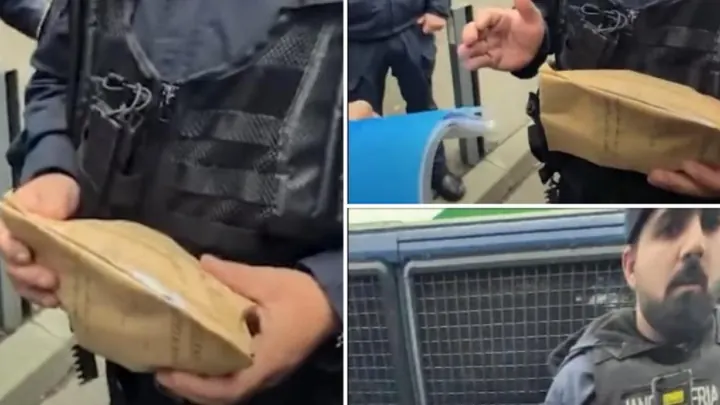 (opens in a new tab)
Droguri restituite de DIICOT, confiscate de jandarmi după o oră. Caz ciudat petrecut în Bucureşti
- (opens in a new tab)
Canabis medicinal restituit de DIICOT în urma unei decizii definitive, confiscat din nou de jandarmi după o oră
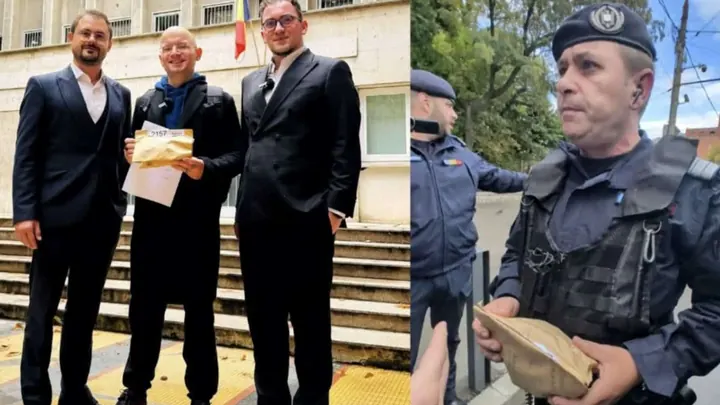 (opens in a new tab)
DIICOT i-a dat înapoi canabisul medicinal: după doar o oră, jandarmii l-au confiscat din nou
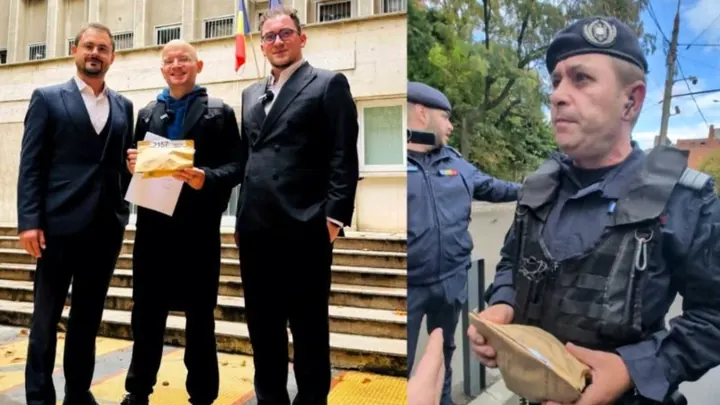 (opens in a new tab)
Un bărbat a rămas din nou fără canabisul confiscat în 2024: DIICOT i l-a înapoiat, dar jandarmii i l-au luat după o oră
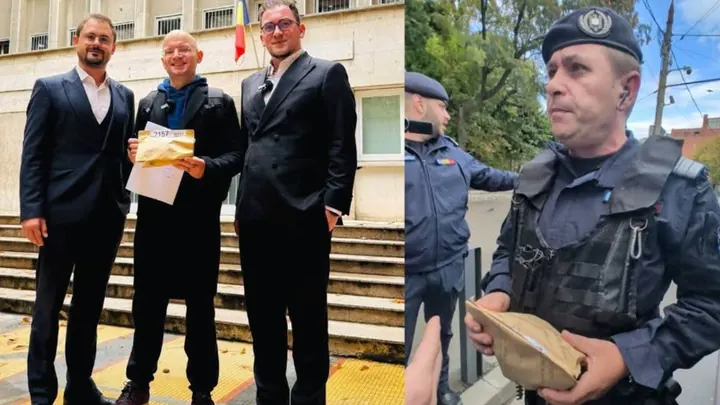 (opens in a new tab)
Situație absurdă în cazul unei pungi de canabis medicinal: DIICOT a restituit-o după o decizie definitivă, dar jandarmii au confiscat-o după o oră
 (opens in a new tab)
Cannabis restituit de judecători, confiscat din nou de jandarmi în o oră
 (opens in a new tab)
Canabis restituit de DIICOT în baza unei decizii judecătorești, confiscat din nou de jandarmi după o oră
 (opens in a new tab)
Un bărbat a primit înapoi de la DIICOT canabisul confiscat în 2024, după o decizie a instanței. Jandarmii i l-au confiscat din nou după o oră
 (opens in a new tab)
Un bărbat a primit înapoi de la DIICOT canabisul confiscat în 2024, după o decizie a instanței. Jandarmii i l-au confiscat din nou, după o oră
- (opens in a new tab)
A man got back from DIICOT the cannabis confiscated in 2024, but the gendarmes confiscated it from him again after approximately an hour
English edition.
 (opens in a new tab)
Ungureanu: Pacienți cu boli foarte grave sunt împiedicați de statul român să aibă acces la tratamente moderne
- (opens in a new tab)
Ungureanu: Pacienți cu boli grave sunt împiedicați de statul român să acceseze tratamente moderne
 (opens in a new tab)
Cum s-a întors în atenția legii bărbatul care a obținut rețetă pentru cannabis medicinal: motivul surprinzător al Jandarmeriei
Sources
Anyone can check what I describe here: the press reports are in the cards under What the press wrote, with the outlets' own headlines, and the legal provisions are quoted under What the law says.
This text describes ongoing events. Everyone is presumed innocent until a final ruling.
New articles, directly to your inbox
Neuro-affirming content on ADHD, autism, AuDHD and PDA
— no spam, no aggressive frequency.