Medical Cannabis in Romania: My Fight Against DIICOT
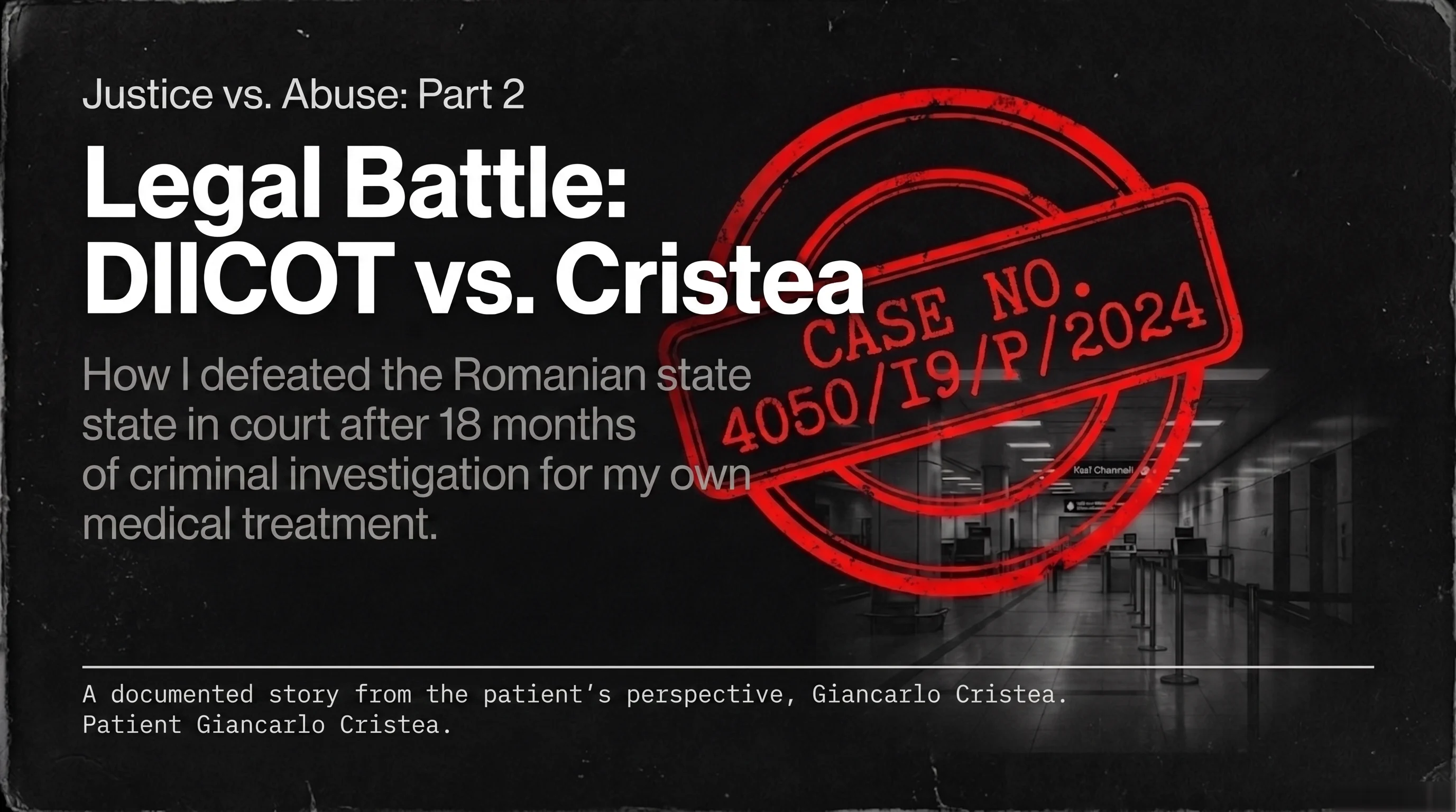
Giancarlo Cristea's story: from Crohn's disease diagnosis to the historic legal victory against DIICOT. Medical cannabis and the right to treatment.
How It Began
From Romania's healthcare system to emigration — and a treatment that works.
Eleven years ago I left Romania. Not out of a desire for adventure or new horizons — but driven by pain, despair, and the complete absence of solutions. And by the endemic corruption of Romania's healthcare system.
For years, doctors failed to arrive at a correct diagnosis. Years of wrongly administered treatments, pointless tests, exhausting hospital visits with no results. When, at last, a single diagnosis proved correct — Crohn's disease, a chronic autoimmune condition — I also learned of a treatment that could offer me a real chance. But the path to that treatment was blocked by a corrupt, indifferent and demeaning medical system.
By 2014 I had dropped to 38 kilograms at 1.70 m — a shadow of the person I had been. I was forced to use the toilet 50 to 100 times a day, vomited 20–30 times daily, and endured constant, unbearable abdominal pain. I was no longer able to function, to be productive, to contribute to anything. I had become completely dependent.
The impact went far beyond physical suffering. Watching myself become a burden for my wife and child, I fell into a deep depression. For years I was haunted by dark thoughts, seeing, in moments of despair, the end as the only escape from a nightmare from which it seemed impossible to wake. I was a prisoner in my own body and mind.
The discovery that changed my life
In 2014, when I weighed only 38 kilograms and was making 50–100 trips to the toilet every day, my brother-in-law offered me a cannabis cigarette. From the very first inhale, the transformation was almost miraculous: the atrocious pain vanished, the constant nausea and vomiting disappeared, the joint pain diminished significantly, and my appetite returned for the first time after nearly six years of illness. Blood tests subsequently confirmed a reduction in inflammatory markers.
My story first reached the national press in August 2022 through a video report published by G4Media.ro in collaboration with ENTR — a European editorial project. The article presented my Crohn’s disease diagnosis (confirmed in 2012, after symptom onset in 2007–2008), fibromyalgia (since 2017), and how legally prescribed medical cannabis in the UK transformed my life. I am, therefore, a patient with chronic conditions (Crohn's disease, fibromyalgia, ADHD) and a person with disabilities within the meaning of the UN Convention on the Rights of Persons with Disabilities (CRPD, 2006), ratified by Romania through Law 221/2010 — a legal framework that does not require an administrative certificate but recognises the interaction between long-term impairment and the social barriers that hinder effective participation.
G4Media / ENTR report, August 2022 — original article on G4Media.ro
But access through the black market was a constant battle: prohibitive prices, inconsistent quality, permanent risk of arrest. For 2 years in Romania (2014–2015) I treated myself illegally, hiding from the authorities. I knew a legal treatment existed — and that in Romania, the path to it ran through the corridors of Fundeni Hospital.
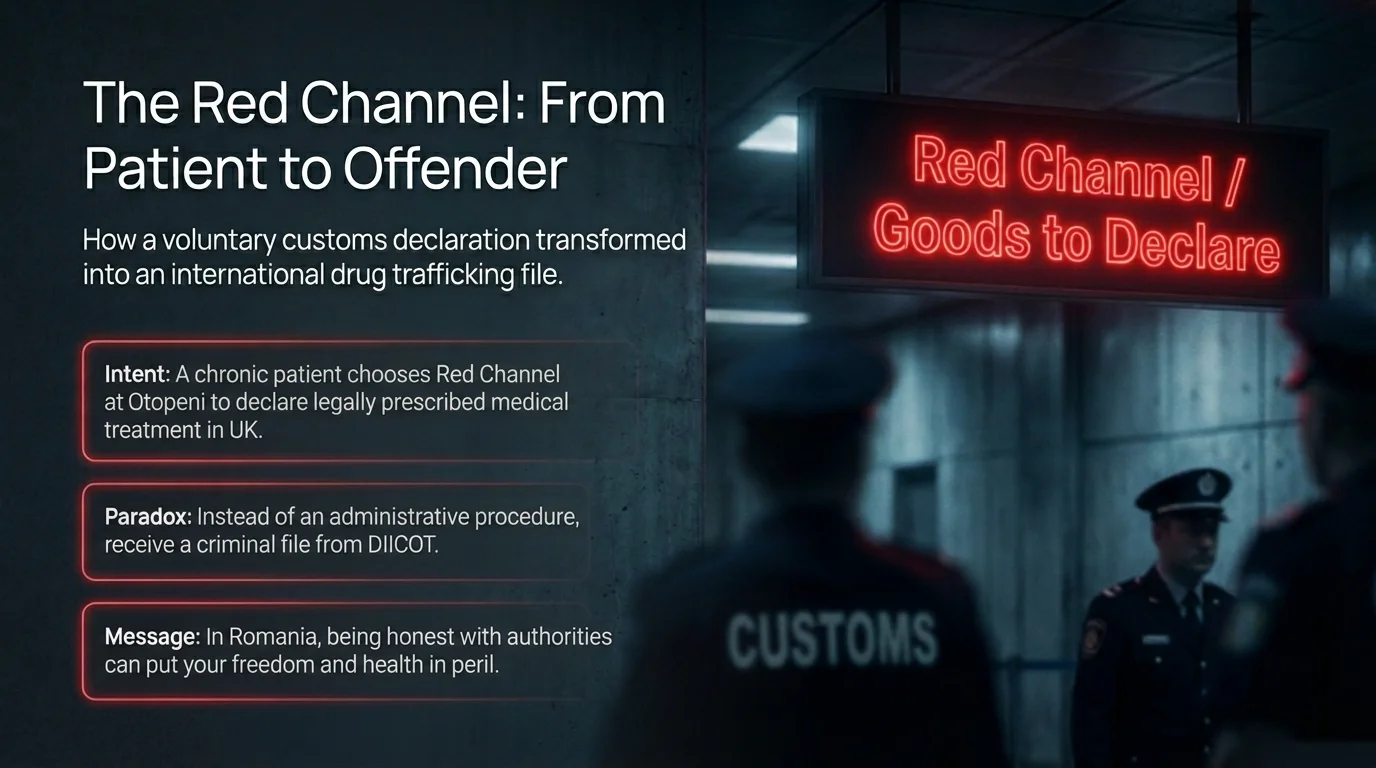
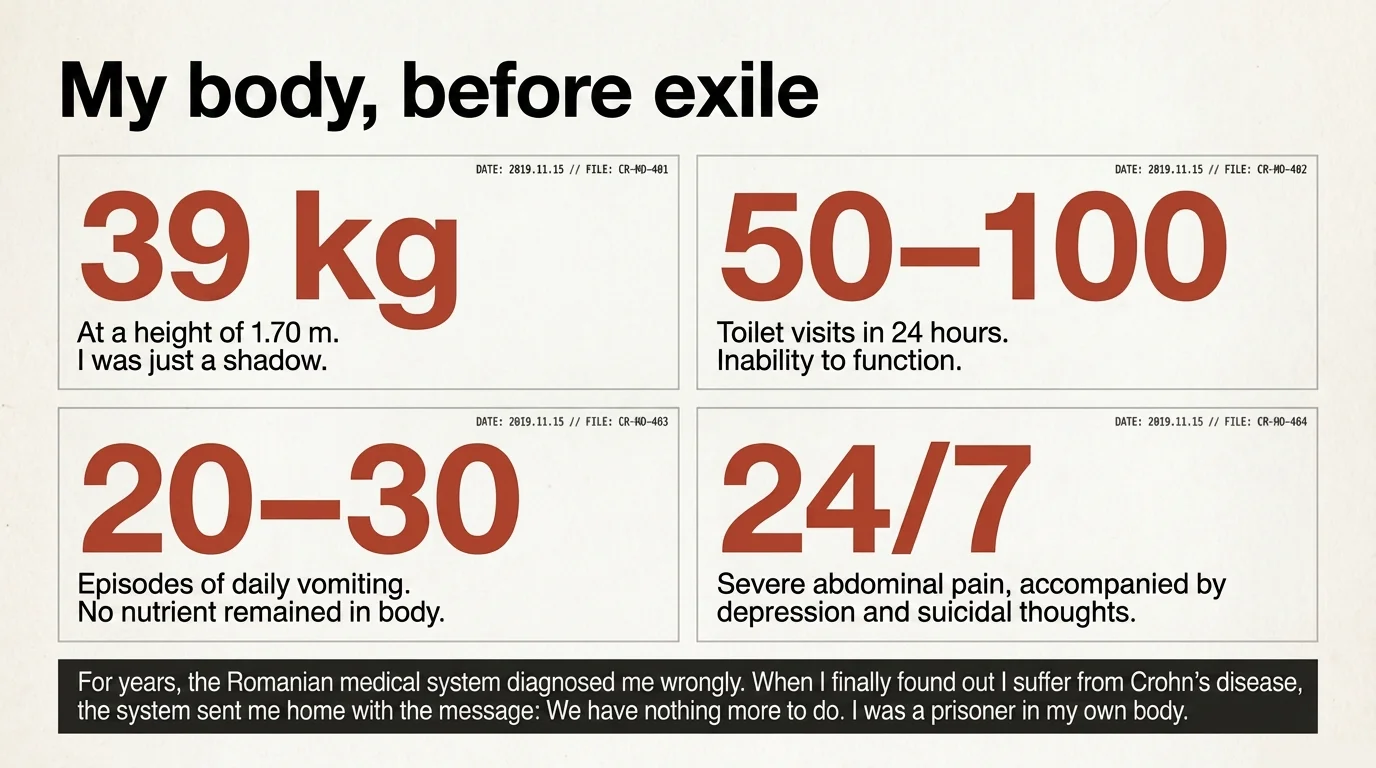
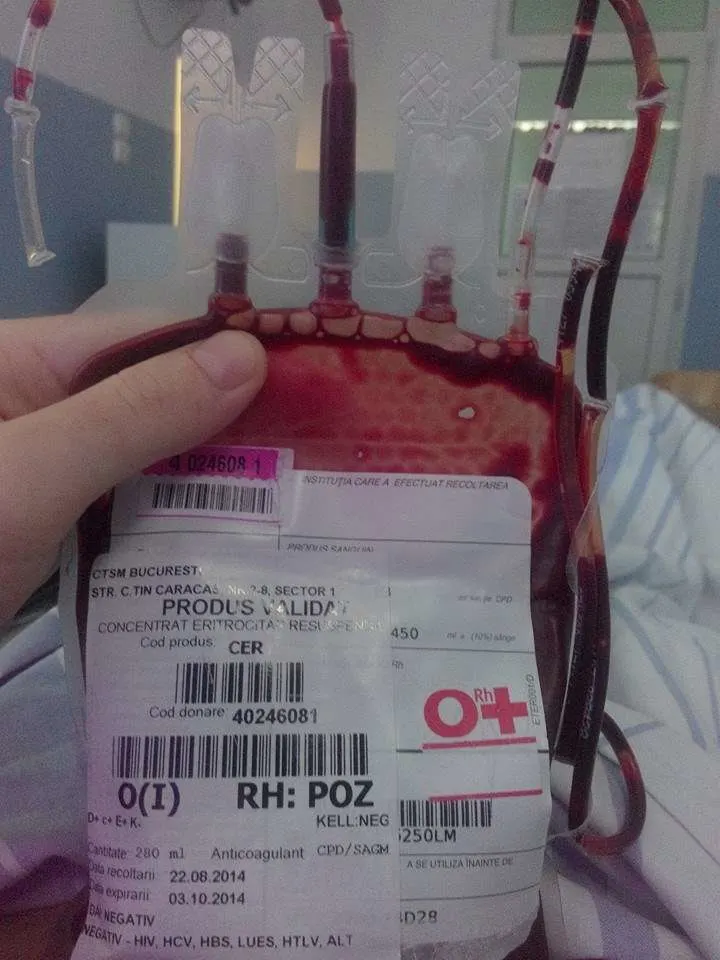
Visual Documentary — Hospital Romania & UK · 2014–2019
The photographs below are evidence. They are not here for sympathy — they are here for truth. Each image documents a moment from nearly 18 years of living with Crohn’s disease: from repeated transfusions in Bucharest hospitals, to emergency admissions in London, to Infliximab infusions costing thousands of pounds, and finally to the moment I presented the Romanian Parliament with the reality of medical cannabis. These are photographs I took myself, or that were taken in moments when I had no strength to refuse them. I share them because no one should have to prove their suffering in order to legitimise their right to treatment.
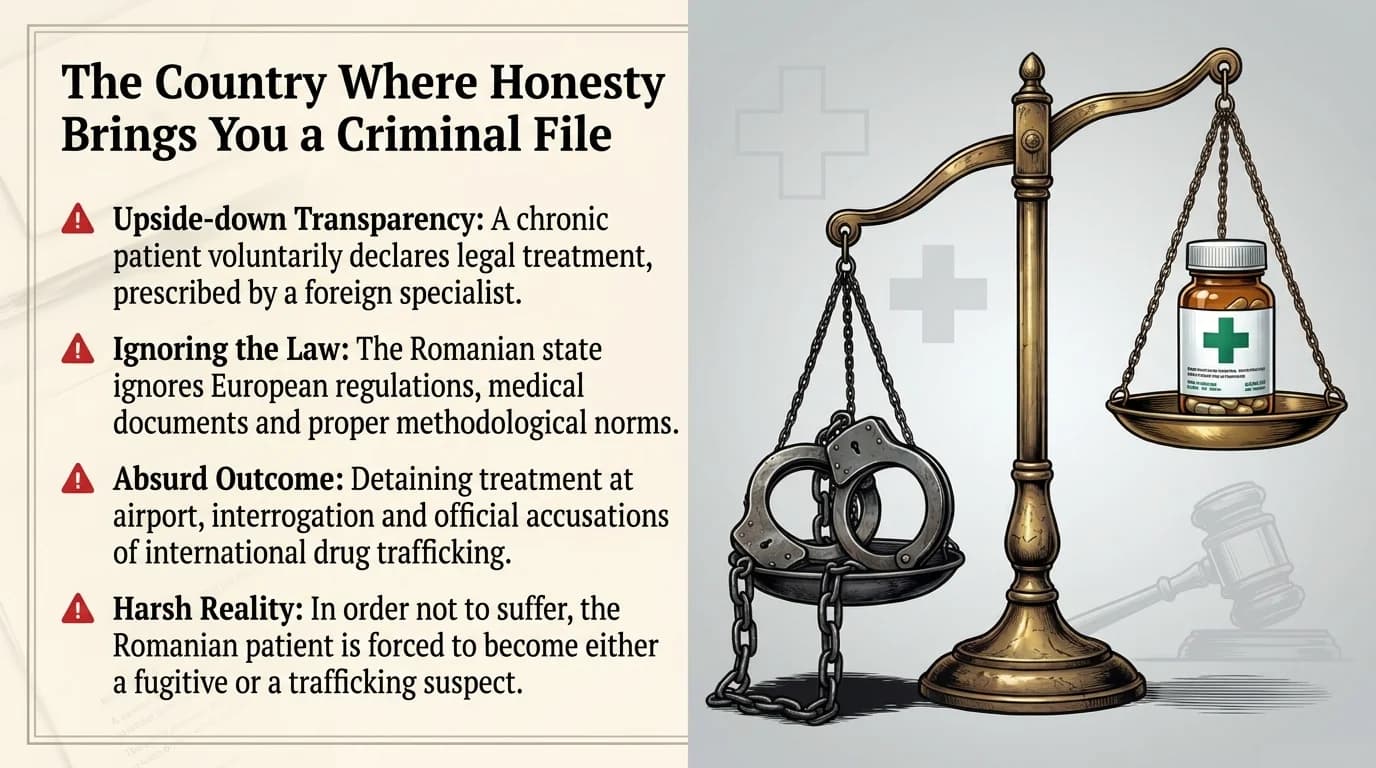
The real cost of treatment — a quantified comparison
The Romanian paradox, reduced to numbers:
- Infliximab (biological, UK NHS): ~£2,000 per dose, administered every 8 weeks. Fully reimbursed on the NHS — zero direct cost to the patient.
- Medical cannabis (UK, private clinic): £250–£500 per month out-of-pocket in my case, depending on the prescribed strains and dosage. In the UK, medical cannabis sits largely outside NHS reimbursement (narrow exceptions: Epidyolex, Sativex, Nabilone).
- Medical cannabis (Romania): €0 — because it does not exist. No legal prescription framework, no dispensaries, no reimbursement pathway. The only access routes are emigration, the black market, or clandestine transport from another EU state.
The hidden cost of emigration: relocating an entire family to another country is not free — uprooting, language barrier, loss of professional networks, years to rebuild income. For me, it meant 11 years away from home to obtain treatment Romania could have provided had the law functioned properly.
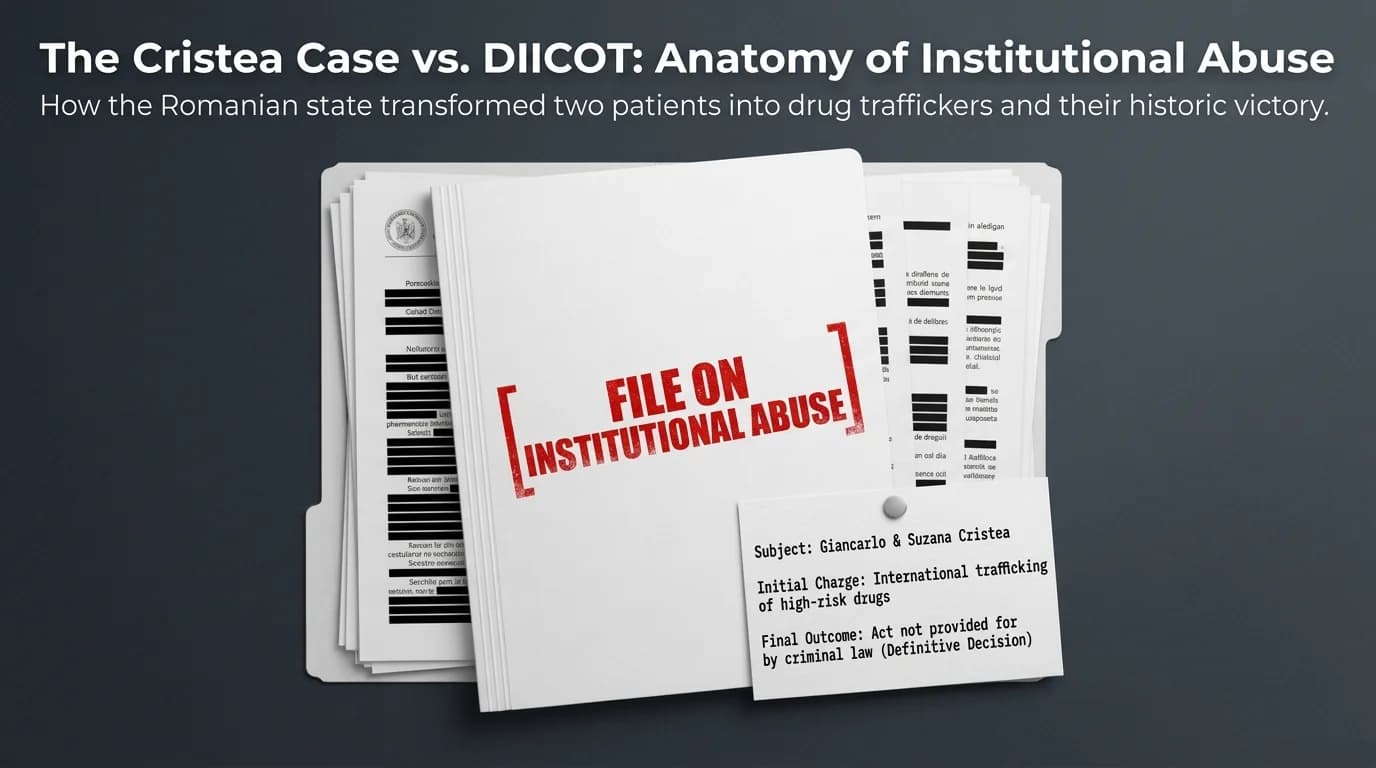
The direct legal cost of the 23 July 2024 incident: 18 months of criminal proceedings, substantial legal fees, repeated travel between the UK and Romania for hearings, medical decompensation requiring emergency hospitalisation, and the irreversible adverse effects documented by a UK specialist after the forced interruption of treatment. None of these appear in DIICOT's balance sheet.
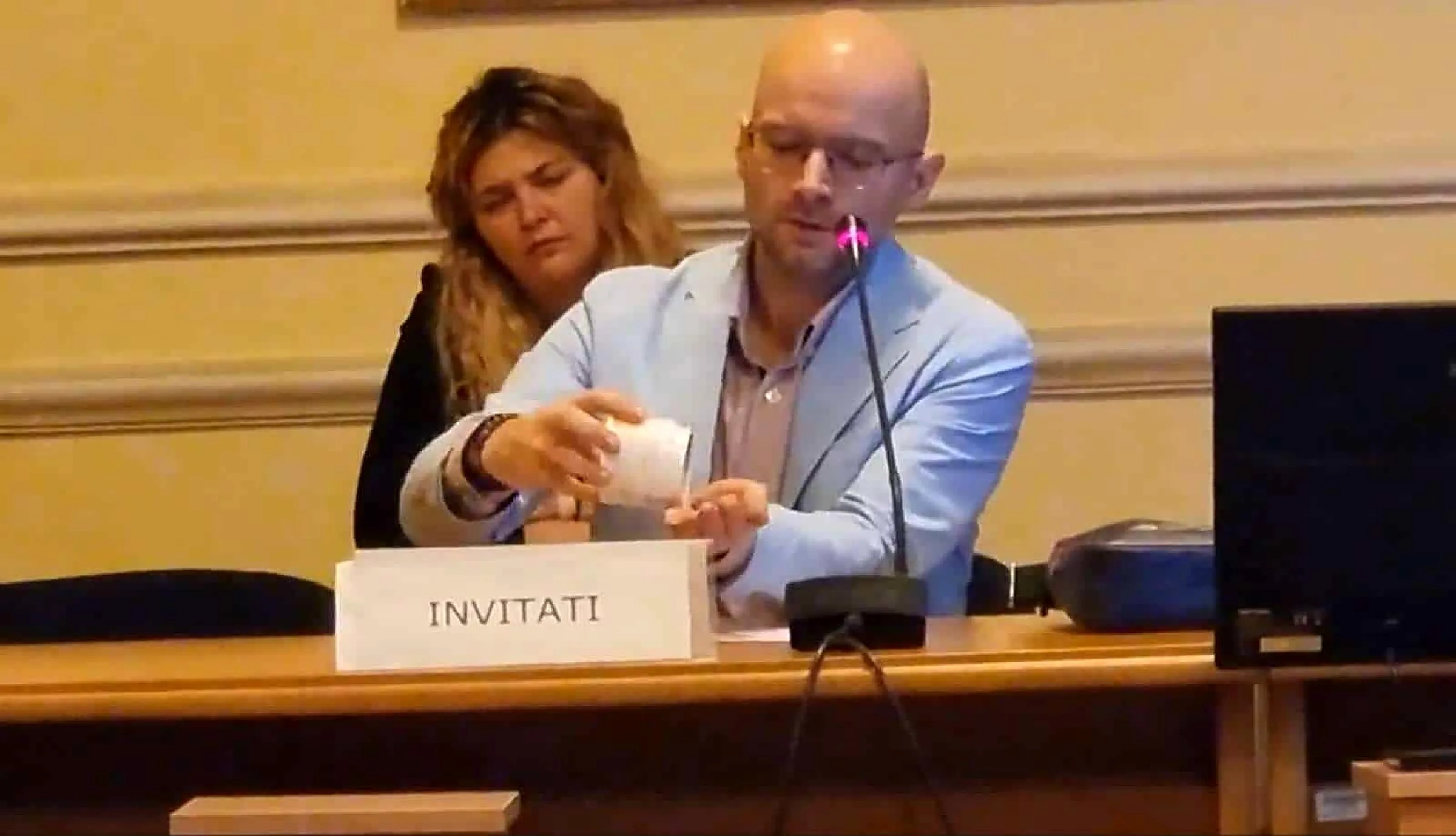
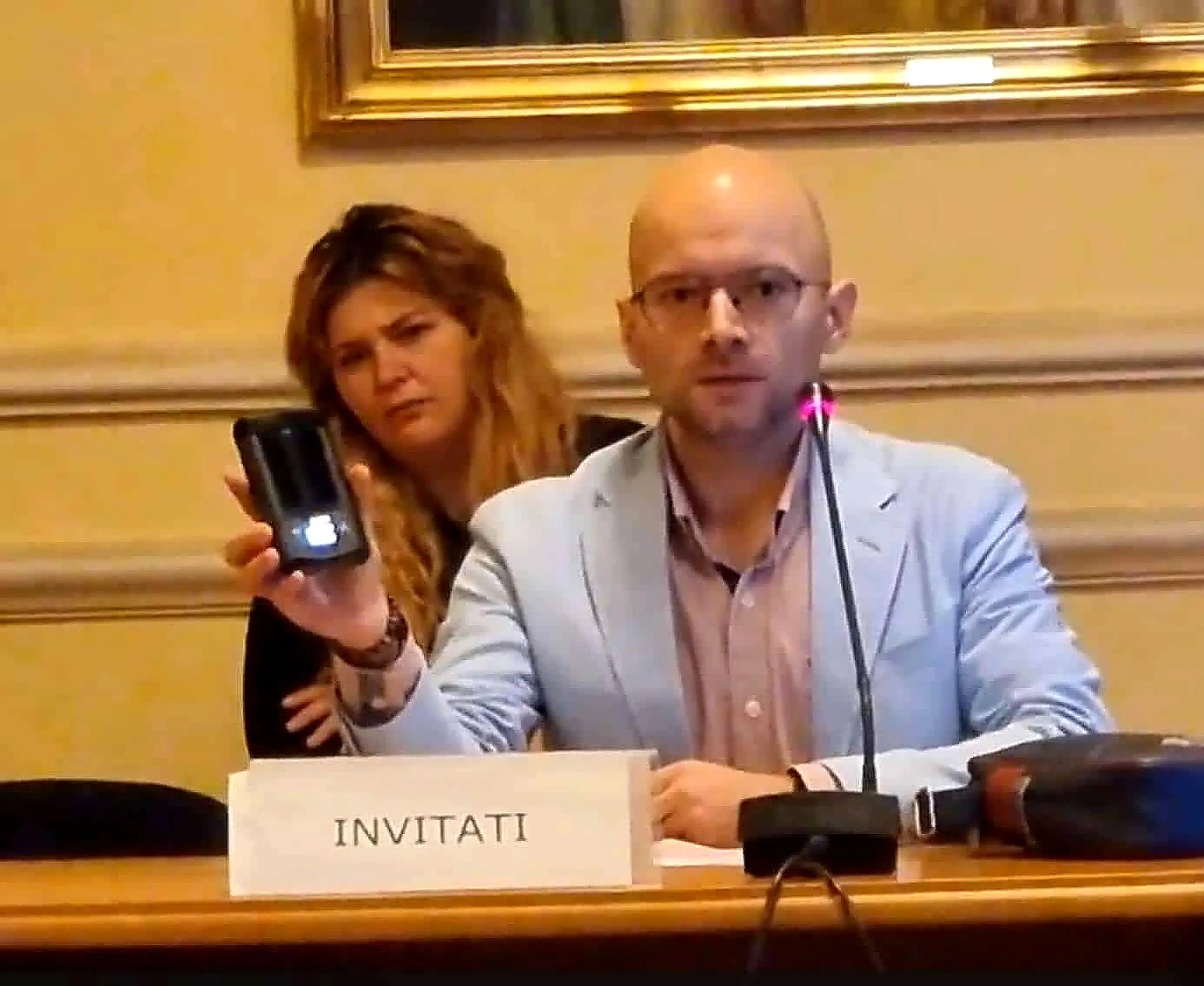
Romanian Parliament · Health Committee · 2023–2025
My presence at the Romanian Parliament is part of a sequence of debates that spanned nearly three years. On 22 November 2022, the Chamber of Deputies' Health Committee had organised an international conference with Professor Mike Barnes (neurologist, the leading UK authority on medical cannabis — the first UK doctor to obtain a full-licence prescription, in the landmark Alfie Dingley case) and Hannah Deacon (Alfie's mother). The echo of that conference opened the political context in which my story could finally be heard.
I was then invited to the Romanian Parliament three times by MP Emanuel Ungureanu (USR, Vice-President of the Health Committee) — once in person, for the Health Committee debate of 13 March 2023, and twice via Zoom: at the debate of 5 March 2024 on amendments to Law 143/2000 (the controlled-substances law), and at the debate of 12 February 2025, when the Health Committee rejected, by a majority vote, the bill for legalising medical cannabis ("Legea Victoria") — a decision publicly announced by MP Alexandru Rogobete (PSD), who had become President of the Health Committee at the end of 2024 after serving, until December 2024, as Secretary of State at the Ministry of Health under Minister Rafila (and who, in June 2025, would himself become Minister of Health).
In March 2023, at the first debate — the one I attended in person — the President of the Health Committee was Dr. Nelu Tătaru (PNL, former Minister of Health in the Orban II government, 2020), who asked me direct questions about the medical protocol and vaporisation. The Minister of Health in 2023 was Prof. Dr. Alexandru Rafila, and the National Agency for Medicines and Medical Devices (ANMDMR) was represented at the debates by its President, Răzvan Prisada, who publicly confirmed that "there is a legal framework allowing Romanian patients access to cannabis-containing medicines currently available in other countries" (statement at the Health Committee, 13 March 2023). At the public debate I also took part alongside activists from Legalizam.ro and other NGOs supporting cannabis legalisation — using that platform to make the patient perspective heard.
On each occasion I presented the same medical reality: cannabis is not a recreational drug, but a legally prescribed treatment for severe chronic conditions — Crohn's, fibromyalgia, generalised chronic pain.
"The doctor at Fundeni Hospital refused my treatment, conditional on bribes I could not afford to pay. When I arrived in the UK after a 3.5-hour flight, I was taken into emergency surgery. These images are from that period."
Bribery as a Gateway to Healthcare
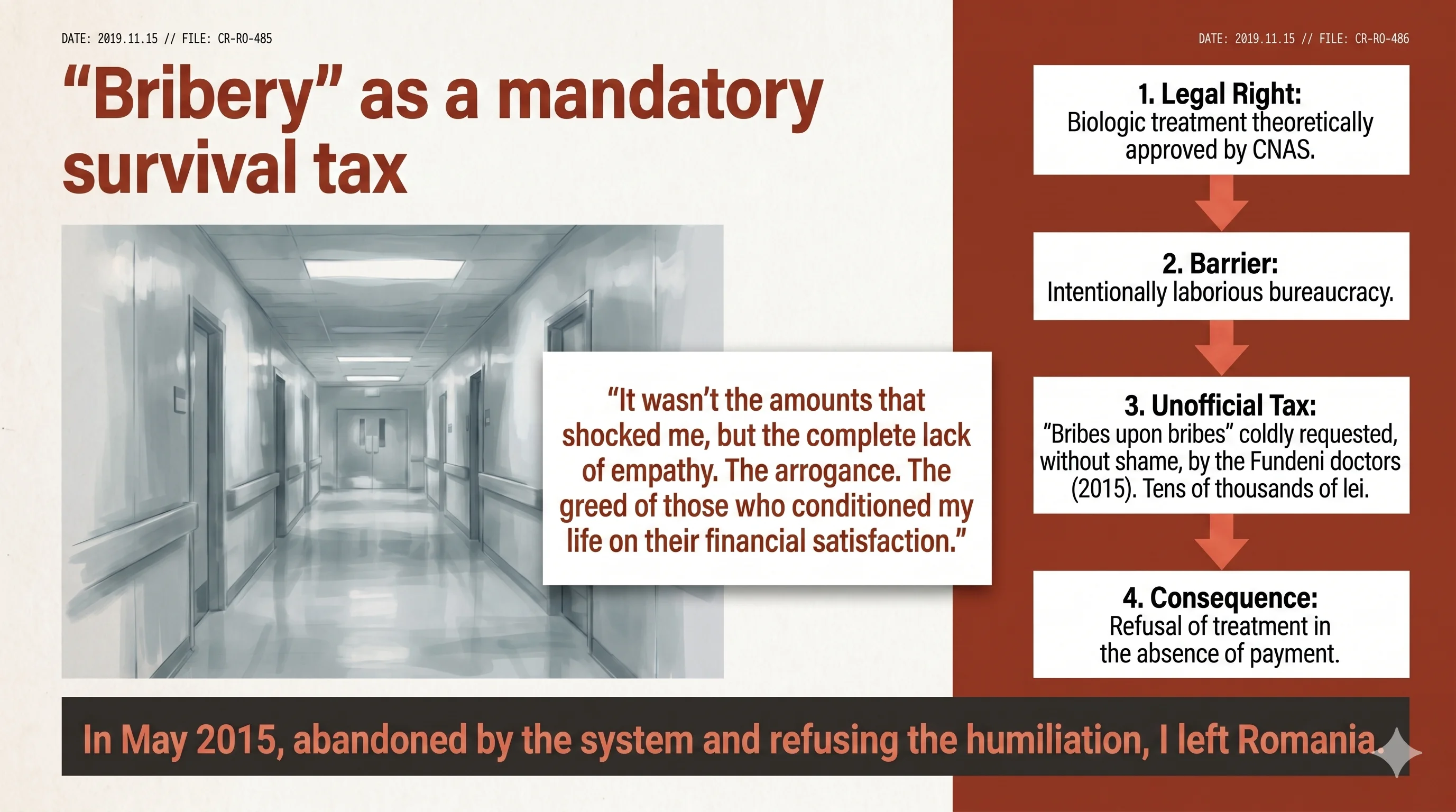
It took me months to find a hospital and doctors in Bucharest capable of providing that treatment. I found them, eventually, at Fundeni Hospital. But in my experience, obtaining the treatment was contingent on a laborious bureaucratic process — and, I allege, on the outstretched hands of some of the doctors I encountered along the way. Hands that, as I experienced it, were extended not to offer help, but to ask for what I understood to be informal payments — repeatedly, and without apparent shame. Thousands of lei. Tens of thousands of lei. To approve a treatment to which I had a legal right.
It was 2015 — and we are talking about doctors within the national health system, not the private sector. What shocked me was not the sums themselves, but the complete absence of empathy. The brazenness. The impertinence. The greed of those who made the medical act conditional on their own financial gratification. That was the first great humiliation I suffered at the hands of state institutions. The first, but not the last.
That is when I decided to leave. In May 2015 I left Romania.
Just two weeks after arriving in the UK, I underwent emergency surgery for complications of Crohn's disease. Further diagnoses followed: severe malnutrition / cachexia secondary to Crohn's, fibromyalgia, generalised chronic pain, and — much later — Autism / 's Syndrome and ADHD. The somatic conditions above are severe and flare under stress, and an autistic responds intensely to it — meaning that any significant stressor, including criminal proceedings or the confiscation of treatment, can trigger a medical crisis. Illegal access to cannabis continued during my first years in the United Kingdom — until the law changed everything.
Since November 2018, when medical cannabis became legal in the United Kingdom, I have been a registered patient at Mamedica Limited, a specialist London clinic. My prescribing physician is Dr. Daniel Haroon, an experienced specialist in medical cannabis therapeutics. The prescription includes three varieties of dried Tilray flower, administered by vaporisation — a precisely calibrated medical treatment for Crohn's disease, fibromyalgia, and the associated conditions. A legal patient, with a legal medicine, with a legal prescription.
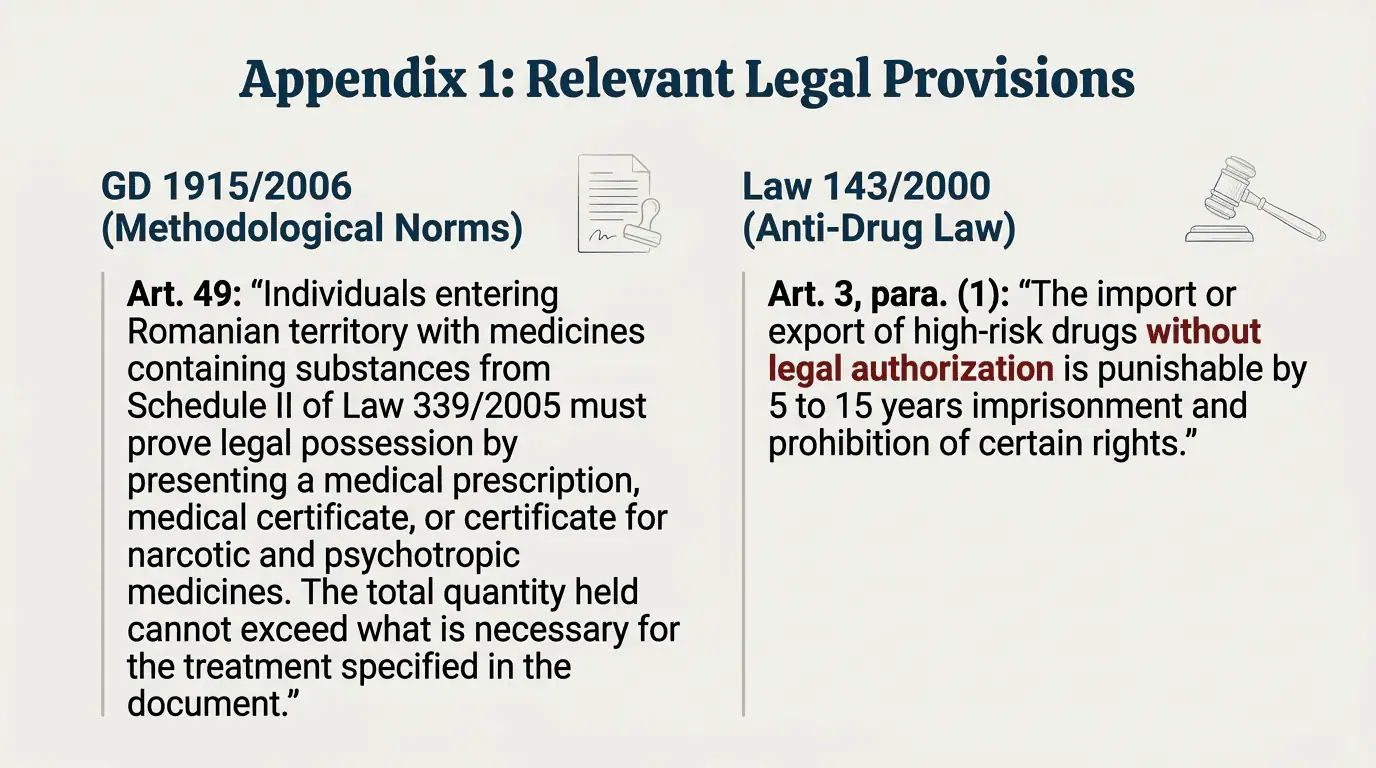
And there is an irony the Romanian state has consistently refused to acknowledge: for ADHD management, I receive Lisdexamphetamine from the UK — a synthetic amphetamine classified under Table II of Law 143/2000 (high-risk drug with recognised medical use; equivalent to UK Schedule 2). This medication crossed the border without issue in July 2024. The medicinal cannabis, classified under Table III of the same Law (risk drug — a lower category than lisdexamphetamine), but under Table II of Law 339/2005 (pharmaceutical regime, recognised medical interest) and under UK Schedule 2 as a CBPM (cannabis-based product for medicinal use, since November 2018), was confiscated. Same pockets, same luggage, same passport — two substances treated completely differently by the same state that claims to enforce the law equally.
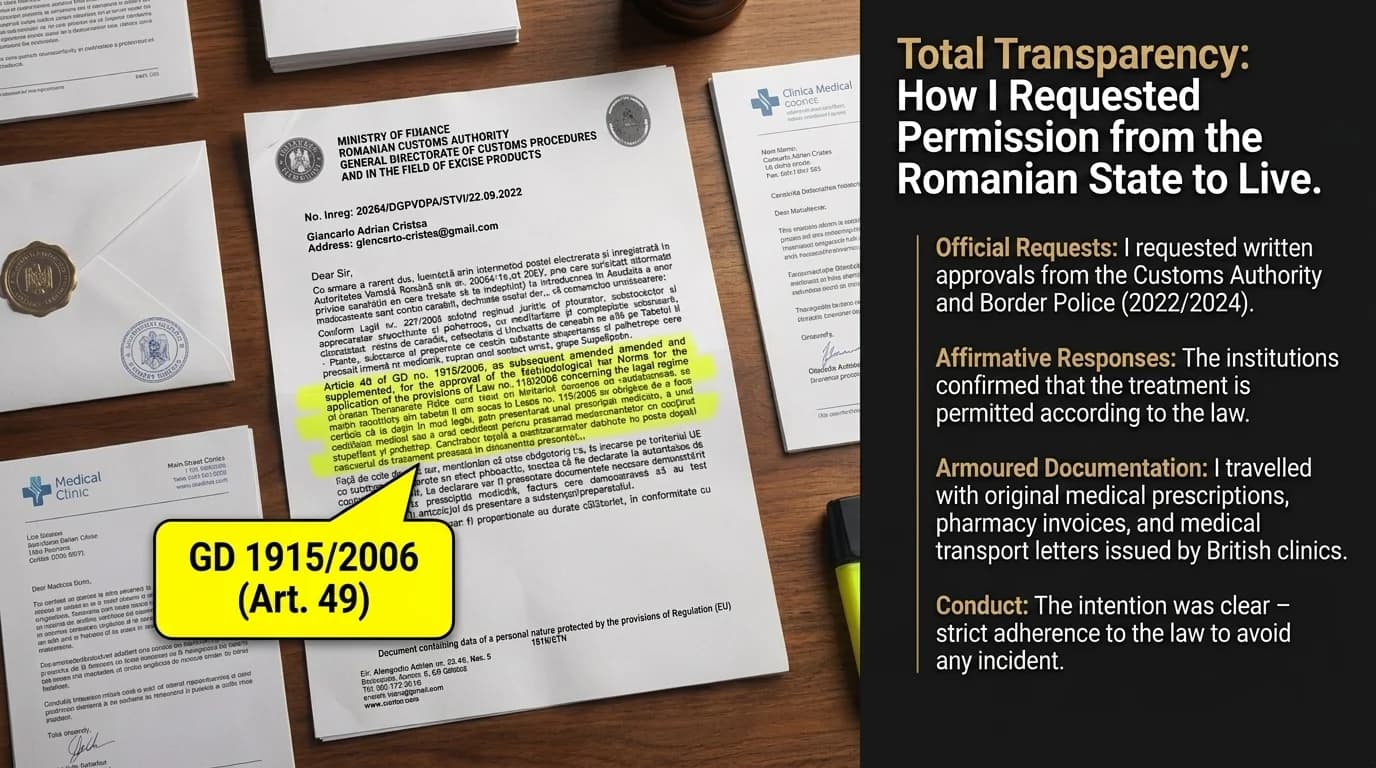
The border-crossing procedure was well-established for us. In 2022, we had obtained written confirmations from the General Inspectorate of Border Police (IGPF) and the Customs Authority that we could legally enter the country with our prescribed medications, provided we presented the prescription, travel letter, and receipts. We followed this procedure at every crossing. In March 2023 — same agent, same documents — a brief exchange, verification, approval. What changed between March 2023 and July 2024 was not the law. It was the person interpreting it.
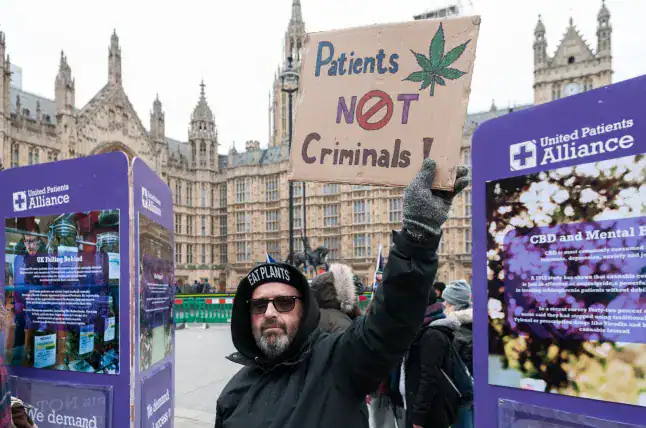
Protest · Solidarity · Westminster — 2017–2019
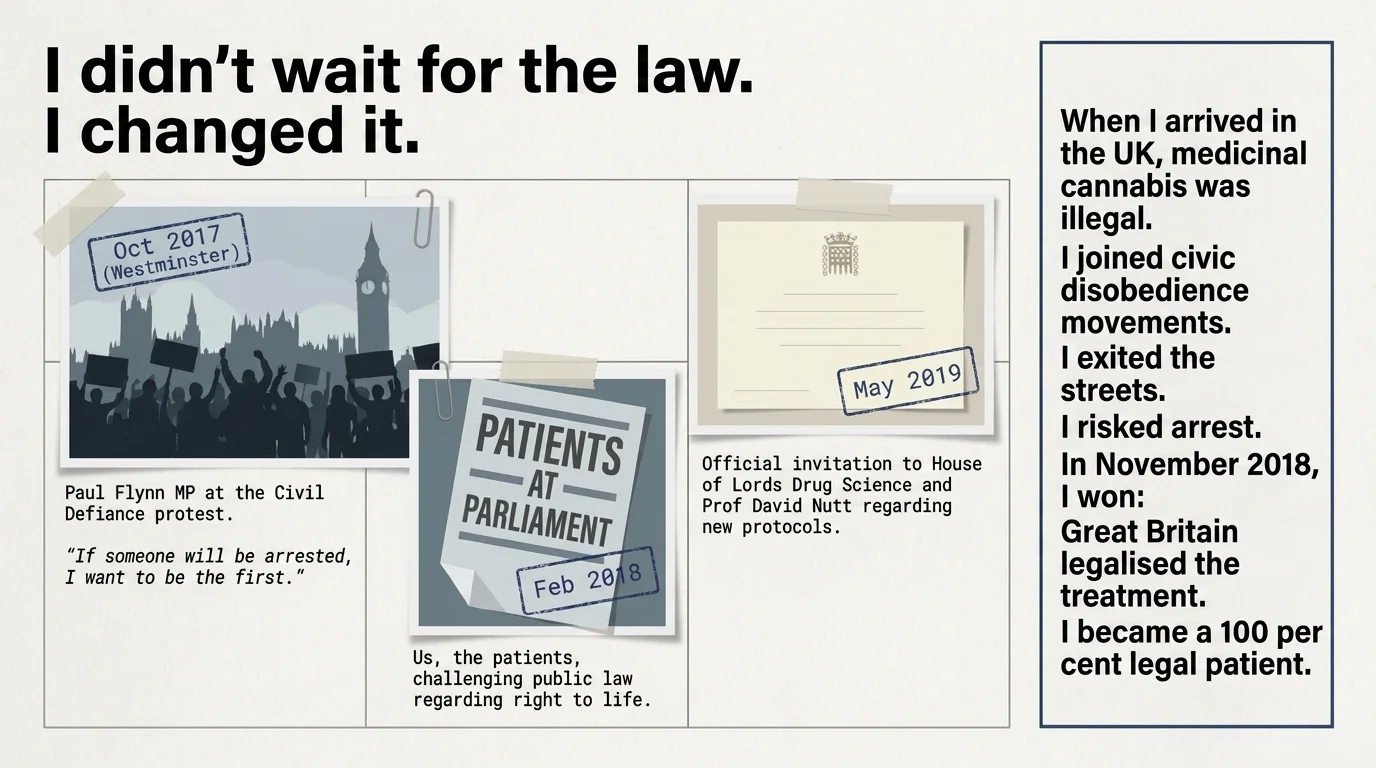
October 2017 – May 2019 — Palace of Westminster & House of Lords. From the "Civil Disobedience" protest (10 Oct. 2017) to "Patients at Parliament" (23 Feb. 2018), patients and activists defied the law in front of the British Parliament alongside MP Paul Flynn. A few months later, medical cannabis was legalised in the UK.
When I arrived in the UK in 2015, medical cannabis was illegal there too. But unlike Romania, there was an active patient movement fighting to change the law — people like me, with chronic illnesses, who were risking their freedom in order to treat themselves. I joined them.
Between 2017 and 2019, I was present at every major event: the "Civil Defiance" protests organised by Paul Flynn in front of Parliament, the Drug Science conferences of Professor David Nutt, and even a private event at the House of Lords dedicated to legislative reform. I was not only a patient benefiting from legalisation — I was part of the movement that made it possible.
On 1 November 2018, medical cannabis became legal in the United Kingdom. For me, that day marked the end of years of struggle with the black market and the beginning of a prescribed, monitored, legal treatment. I obtained my first official prescription and was able, for the first time, to treat myself without fear.
The photographs below document our presence at the most important pro-legalisation events in the UK — from Westminster to the House of Lords.
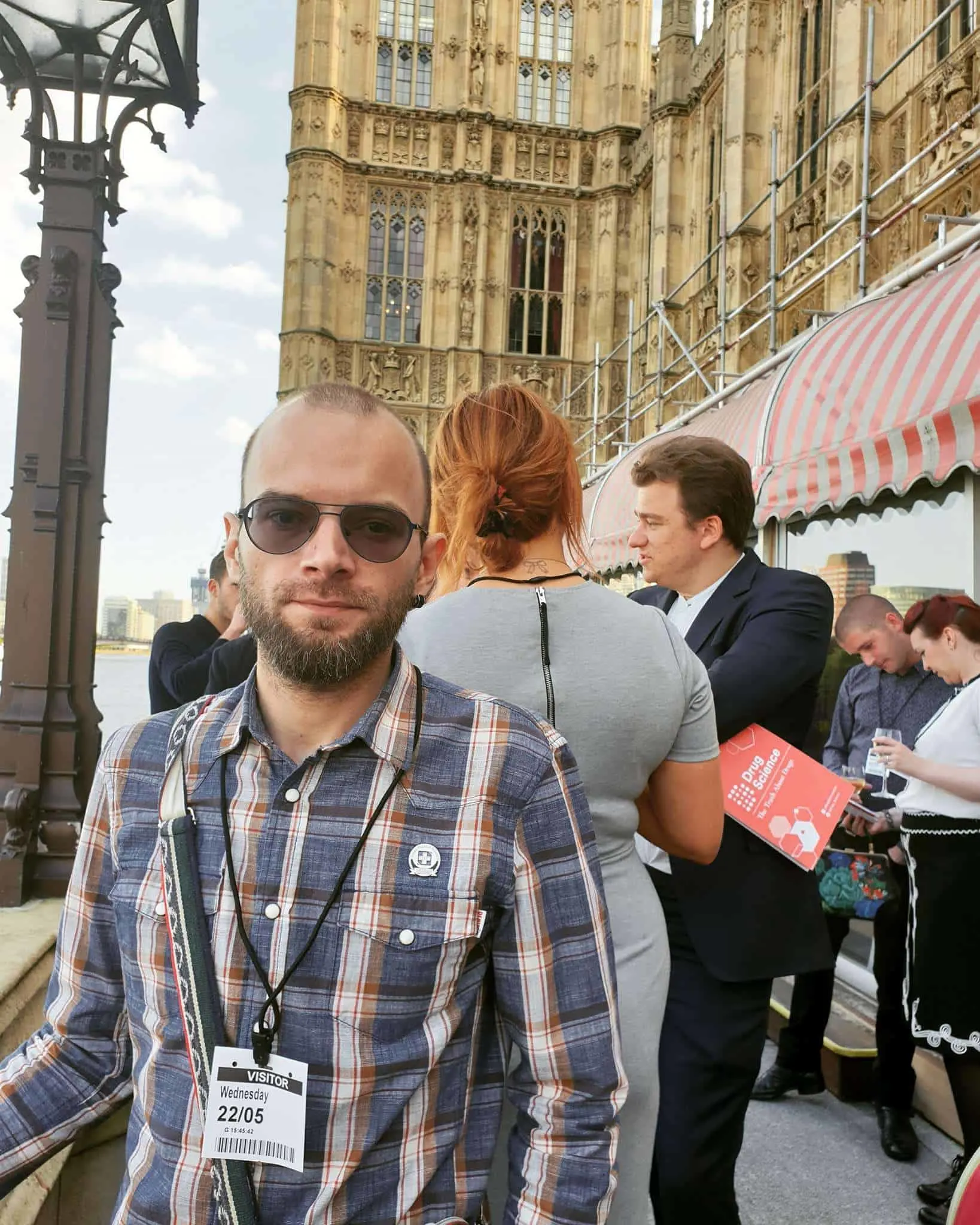
Drug Science & House of Lords — scientific and political context
Drug Science (formerly: Independent Scientific Committee on Drugs) is a scientific organisation founded by Prof. David Nutt, the former chief adviser to the British government on drug policy, dismissed in 2009 for publishing data showing that alcohol is more dangerous than cannabis. In January 2019 I attended one of the Drug Science conferences, and in May 2019 I was invited to a private event at the House of Lords — the upper chamber of the UK Parliament — dedicated to legislative reform on medical cannabis.
Paul Flynn MP — The Call for Civil Disobedience
Historic speech · Westminster · October 2017. British MP Paul Flynn calls on patients to defy the law in front of Parliament — video recording one year before medical cannabis was legalised in the United Kingdom.
„If anyone is to be arrested, I want to be the first."
— Paul Flynn MP · Westminster, 10 October 2017
Paul Flynn MP (1935–2019) — Labour · Newport West · 1987–2019
Member of the British Parliament for 31 years. One of the most vocal supporters of medical cannabis legalisation in the UK. He introduced multiple legislative proposals and was the political force behind the „Civil Disobedience" protests at Westminster. He died on 17 February 2019 — just three and a half months after his dream was realised through the legalisation of medical cannabis in the United Kingdom (1 November 2018). He did not live to see the full impact of his victory.
After the UK legalisation, I continued to speak publicly about patients' right to medical cannabis — this time focusing on Romania, where the legislation remained stuck in the past. In 2023, I returned to the country not as a desperate patient, but as an experienced activist, with evidence and with a story that had to be told.
The visit in March 2023 demonstrated that the law was on our side — if someone applied it correctly. I crossed the border with legally prescribed medical cannabis, presenting the documents obtained from the IGPF and DGPV in autumn 2022. At that control, a short exchange was enough: the customs officer checked the papers, acknowledged that everything was in order and let us through. Same patient, same medicines, same documents. What changed between 2023 and 2024 was not the law — it was the person interpreting it.
Radio Guerrilla & Parliament — March 2023
Before the hearing at Parliament's Health Committee, I spoke on Radio Guerrilla about the right to treatment. Alongside MP Emanuel Ungureanu and host Liviu Mihaiu — an honest discussion about medical cannabis and the Romanian system, a few months before the 2024 confiscation.
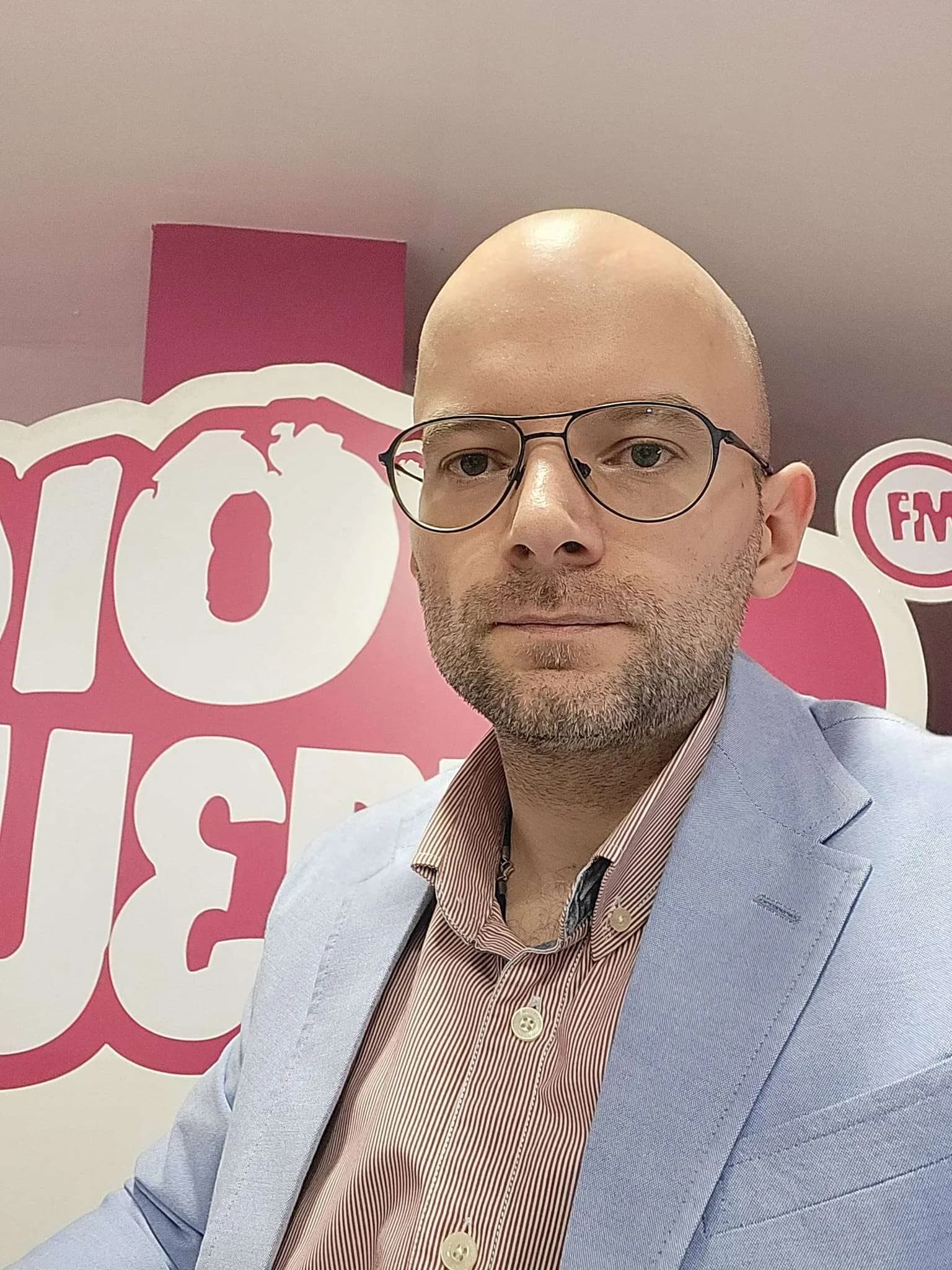
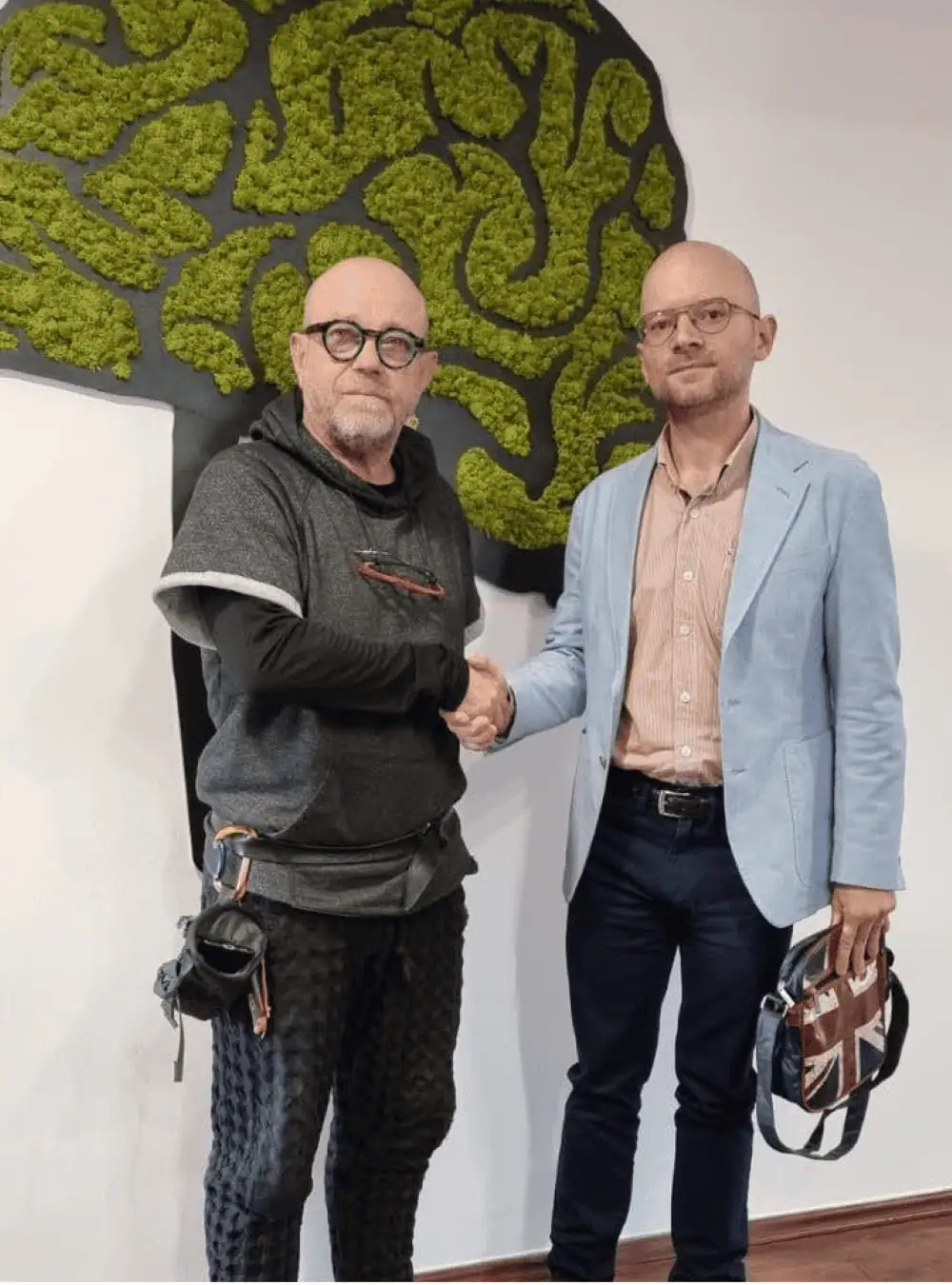
„A Treia Cale" with Liviu Mihaiu · Radio Guerrilla · 27 March 2023
Full interview (43:07) about the right to medical cannabis and the hearing at Parliament's Health Committee. Audio in Romanian.
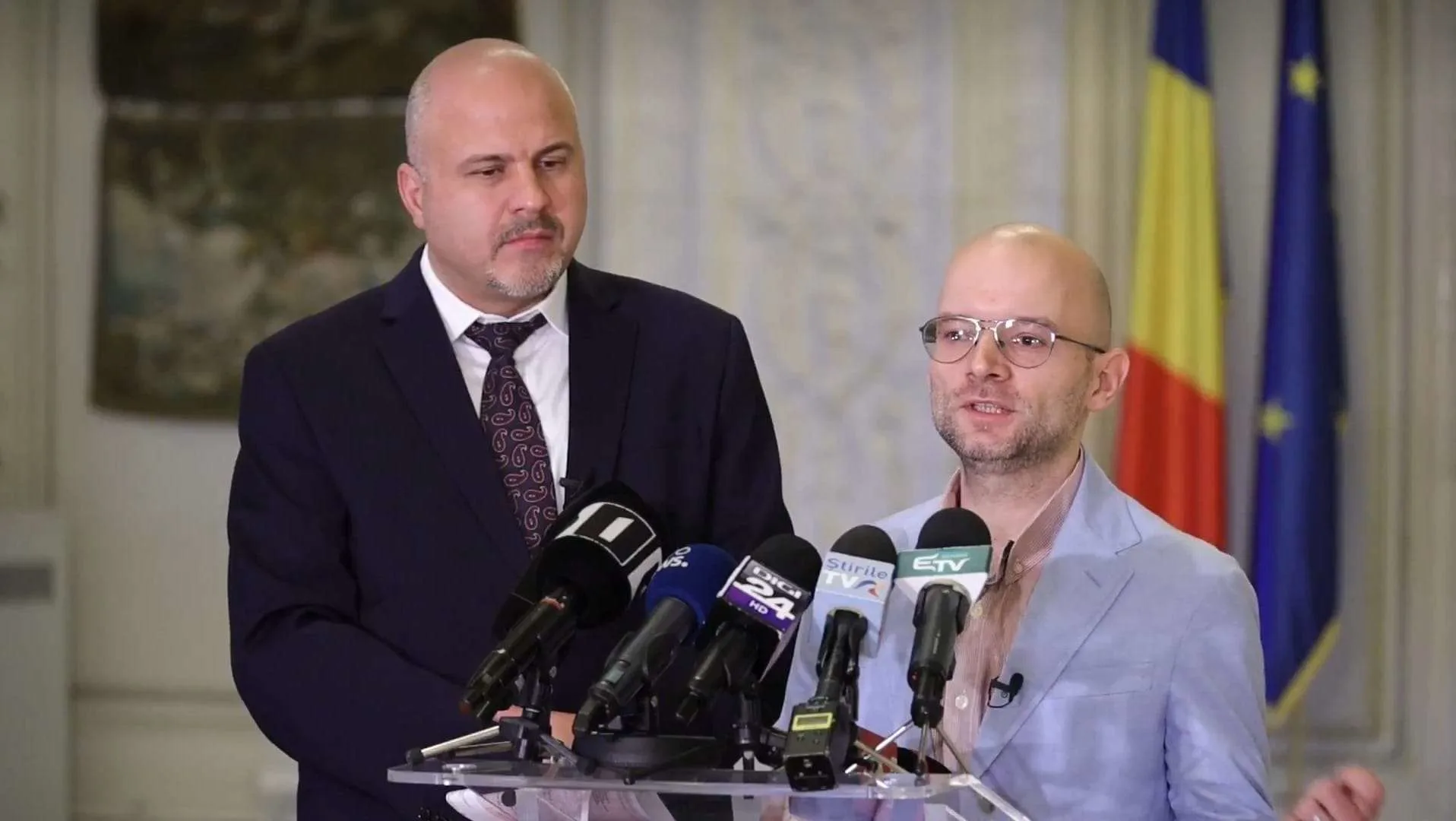
Video — Medical Cannabis: A Right for Chronic Patients
Parliamentary press conference, March 2023: medical cannabis should be a right for chronic patients in Romania. Alongside MP Emanuel Ungureanu (USR), I presented my personal case and argued the need for „Legea Victoria" — a legislative project that would regulate Romanian patients' access to prescribed medical cannabis. Video in Romanian.
Video — "Legea Victoria" debate at the Health Committee · 2025
Second testimony before the Health Committee, February 2025 — parliamentary debate on "Legea Victoria". Two years after the first hearing and after the July 2024 confiscation, I returned to Parliament to demand regulated patient access to medical cannabis. The discussion, moderated by MP Alexandru Rogobete, marks the fifth year of legislative deadlock. Video in Romanian.
„Same patient, same documents — two opposite outcomes. In 2023: invited to Parliament, no incident. In 2024: treatment confiscated, criminal file. What changed was not the law — it was the people who applied it."
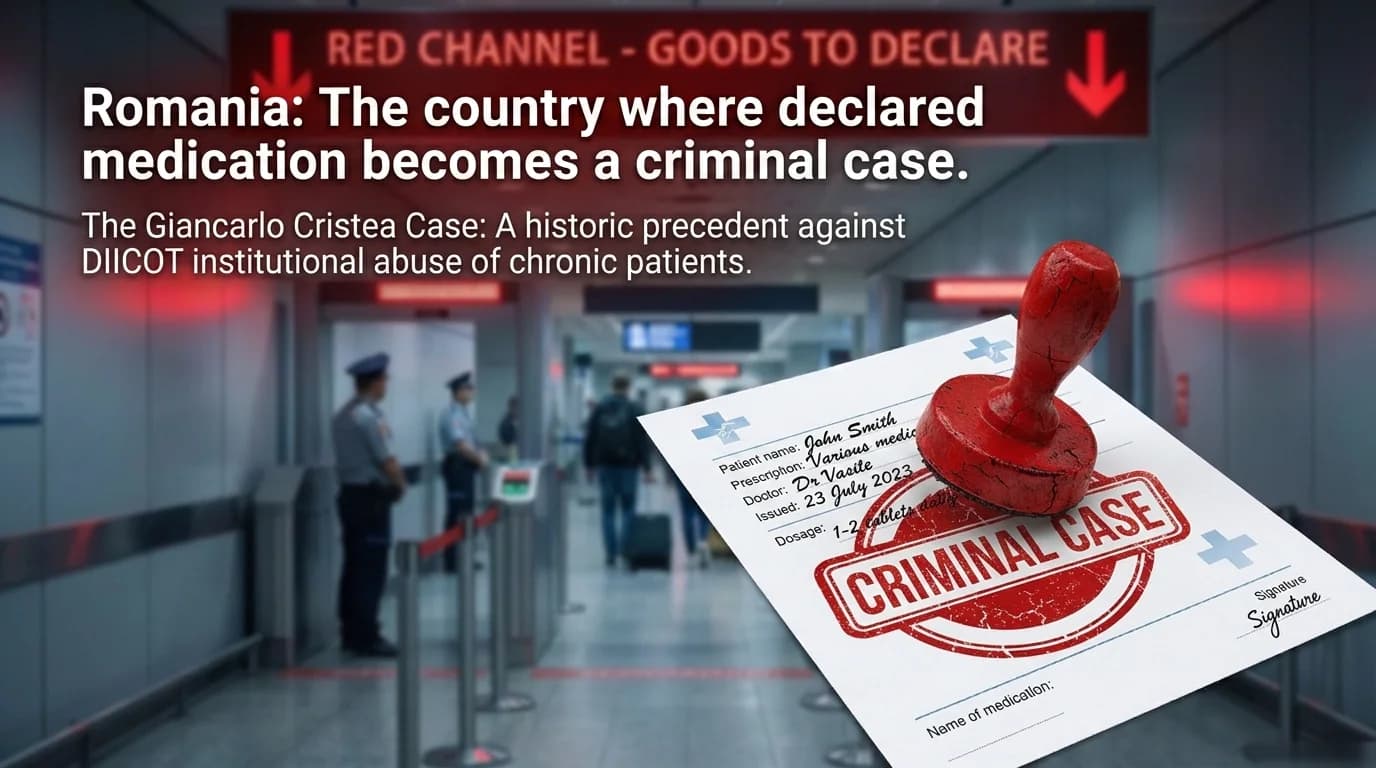
The irony is impossible to ignore. In 2023, I was invited to the Romanian Parliament — I testified before the Health Committee, presented the medical vaporiser, explained how the treatment works. No one stopped me, no one searched me, no one raised objections. One year later, in 2024, I returned with exactly the same documents — and this time I was treated like a criminal.
What changed was not the law. It was not the documents. What changed were the people who decided to apply it. And that is perhaps the most disturbing thing in this whole story: that my right to treatment depended not on the law, but on the whim of the officials I met at the gate.
Nor was I prepared for what followed. The day after the confiscation, when we began looking for lawyers, I was shocked by how many refused us. Many were afraid to go up against DIICOT. Others simply did not understand the legislation on prescribed controlled substances. I learned quickly that, in Romania, a patient who wants to defend their right to treatment must first find a lawyer willing to defend them.
Promised, done, then put right — on the timeline
The same situation tracked over time. The line stays up while the treatment is permitted on paper, collapses at the 2024 seizure, and rises back up when the case is won definitively. Everything legal at the start stayed legal at the end.
- 20224 favourable approvals
- 2023Lawful entry
- 2024Seizure + criminal case
- 2026Won definitively
The continuation of the story — the airport confiscation, the DIICOT file, and the three court victories — can be found in Part II.
New articles, directly to your inbox
Neuro-affirming content on ADHD, autism, AuDHD and PDA
— no spam, no aggressive frequency.