Giancarlo Cristea
Video Library
Explanations and exercises, at your own pace.
It does not matter where you start. You pick the theme that matters to you now, watch as much as you have room for, and stop when you want. Some explain what is happening, others walk you through a short exercise. All of it is free, no account and no rush.
Curated playlists
From the library· Autism & Autistic Experience
30 videos
Romanian subtitles are machine-translated and may contain mistakes, except where a video is marked “Romanian subtitles”.
Directly about this theme
 1:29
Autism & Autistic Experience
Can you make it to the end? (Sensory sensitivity simulation)
A short simulation showing how sensory input piles up toward overload. Useful for the people around you too.
National Autistic SocietyPlay here →
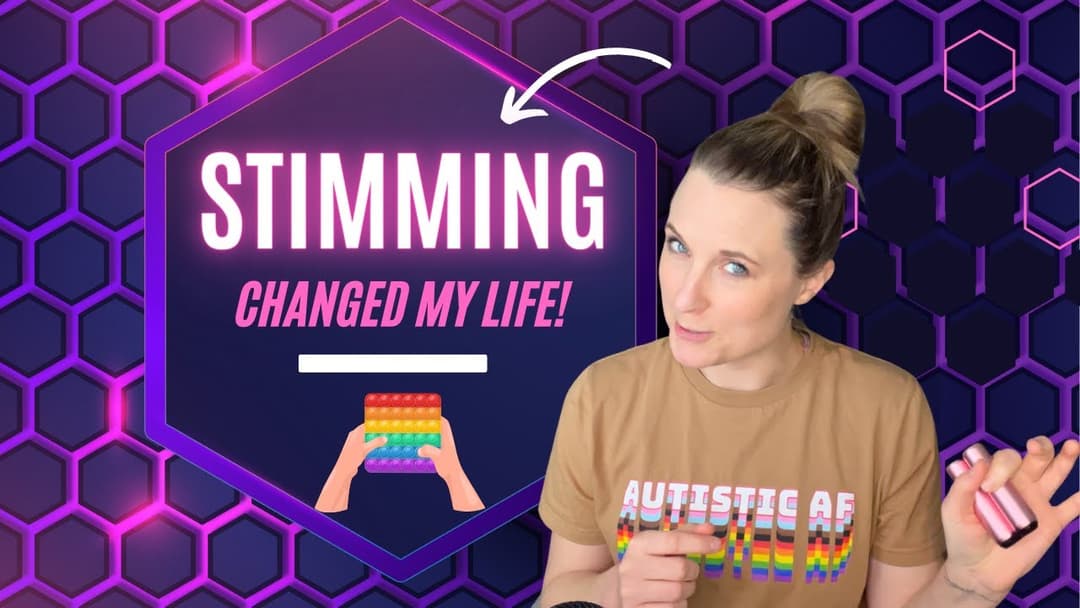 17:32
Autism & Autistic Experience
The Importance of Stimming in Late Diagnosed Autistic Adults
Why stimming (self-regulation through repetitive movement) is healthy and needed, not something to correct.
Mom on the SpectrumPlay here →
 4:13
Autism & Autistic Experience
Do You Know The Signs Of An Autistic Meltdown?
How to recognise the early signs of a meltdown and why it is not a tantrum but the nervous system responding to too much, too fast.
BBC ScotlandPlay here →
 6:44
Autism & Autistic Experience
Autistic Meltdowns: What to do?
Concrete steps for you or someone close during and after a meltdown, focused on safety and recovery.
Autism ExplainedPlay here →
 30:28
Autism & Autistic Experience
Autism and the Double Empathy Problem — Dr. Damian Milton (Univ. Kent)
The original academic presentation of the double empathy theory: why social difficulties are not an autistic deficit but a mutual communication mismatch.
University of KentPlay here →
 8:55
Autism & Autistic Experience
Monotropism and Flow States — Damian Milton (Studio 3)
Damian Milton explains how monotropism — single-channel, intense autistic attention — underlies transition difficulties and the experience of flow states.
Studio 3Play here →
 43:02
Autism & Autistic Experience
Special Interests and Hyperfixations
An affirming look at focused interests as a source of joy, expertise and regulation.
Toon RuinsPlay here →
 44:35
Autism & Autistic Experience
Autism in Adults — 55 Hidden Signs
An extended list of autistic traits that often go unnoticed in adults, useful for those who recognise themselves without having received a diagnosis yet.
Orion KellyPlay here →
 13:49
Autism & Autistic Experience
Autistic Meltdowns, Shutdowns and Burnout: What Is the Difference?
Explains in plain terms the three states that are often confused, with concrete signs for each and what helps in each case.
Mom on the SpectrumPlay here →
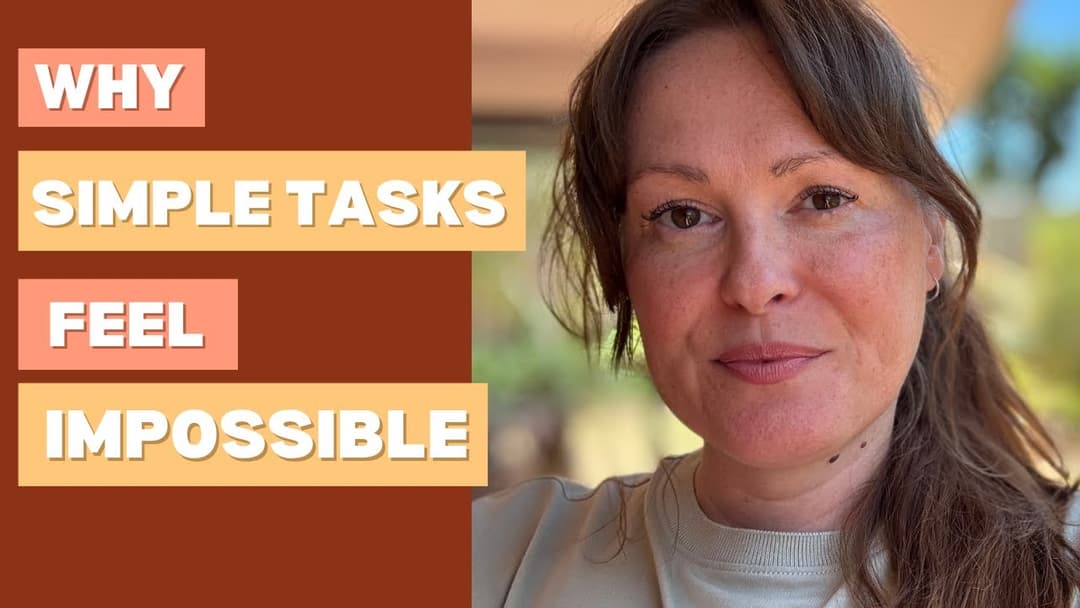 9:59
Autism & Autistic Experience
Autistic Inertia — Why Simple Tasks Feel Impossible
The difficulty starting and stopping an activity is not laziness and not a lack of will. It is a trait with a name, and the name changes a lot about how you judge yourself.
Michelle UnmaskedPlay here →
 2:25
Autism & Autistic Experience
Stimming in Three Minutes
What stimming is, why it helps and why there is nothing about it to correct. Two and a half minutes, also good to show someone close to you.
Sara GibbsPlay here →
 7:11
Autism & Autistic Experience
Why We Need Rest After Socialising
After a few hours of masking, the tiredness is not laziness and not dislike of people. The explanation helps most for those around you, who take it personally.
The Articulate AutisticPlay here →
Practice
Each one shows a single thing to do, step by step. Most take under ten minutes, a few under two.
Romanian subtitles are machine-translated and may contain mistakes.
Where do I start
One exercise, under ten minutes.
5 exercises
Therapist-recommended
Resources I recommend
Apps, organisations and reading I have chosen as support between sessions. I do not make them, I receive nothing from them, and all have a complete free part. If something does not suit you, that is not your fault: different minds need different things.
How I choose
Free, or with a complete free part. No ads. No language that describes you as broken. If a resource has a cost or a limit, it says so on the card.
Calm and body
when you need to settle or filter out noise
AppMeditoGuided meditations, sleep stories and breathing exercises. Non-profit, no ads, no account needed.Language: English onlyFreeNon-profitNo adsNo accountSuits you if you prefer short exercises and a calm voice, without pressure to do it right.Open (opens in a new tab)AppmyNoiseAdjustable sounds (rain, waves, tones) for building your own soundscape for focus, relaxing or sleep.Language: English onlyFreeNo adsExtra features, such as saving your settings, unlock with a donation.Suits you if background noise wears you out and you want to cover it with something you chose.Open (opens in a new tab)
Emotions
when it is hard to put words to what you feel
Day and tasks
when organising asks too much at once
AppGoblin ToolsBreaks a task into small steps, estimates the time and sorts out your thoughts. Made for neurodivergent people by one person.Language: English interface; you can pick RomanianFreeNo adsIt uses AI and can be wrong. Do not type personal or therapy details into it. The core tools are free; some features are paid.Suits you if "clean the house" sounds like one enormous step.Open (opens in a new tab)AppHabiticaHabits and tasks as a game, with a character, rewards and parties. Built by a small team and volunteers, open source.Language: Includes RomanianFreeOpen sourceIf you miss tasks your character loses health, which some people find pressuring. In Settings you can press "Pause Damage" and the penalty stops. The paid subscription is optional and only adds in-game extras.Suits you if a game and rewards motivate you more than a plain list.Open (opens in a new tab)
OrganisationPDA SocietyA UK charity for PDA. Free guides for adults (relationships, work, money), a 20-minute introductory webinar and free support by email or phone.Language: English onlyFree guidesUK charitySome training materials are paid; the guides for adults are free.Suits you if demands, even the ones you set yourself, trigger a shutdown.Open (opens in a new tab)ArticleMedical cannabis vs. stimulants for ADHD in the UKA balanced comparison: stimulants remain first-line treatment; cannabis is an unfunded fallback option with its own risks.Language: In EnglishArticlePublished by Cannabis Health (Prohibition Partners), a publication on the cannabis industry; it cites the NICE guidelines.Suits you if you wonder what the UK system says about the two.Open (opens in a new tab)
The resources above are made by third parties and may change on their own sites. They do not replace therapy and are not medical advice.