Giancarlo Cristea
Video Library
Explanations and exercises, at your own pace.
It does not matter where you start. You pick the theme that matters to you now, watch as much as you have room for, and stop when you want. Some explain what is happening, others walk you through a short exercise. All of it is free, no account and no rush.
Are you someone's partner, parent or friend? For family and friends →
Curated playlists
Directly about this theme
 1:29
1:29Autism & Autistic Experience
Can you make it to the end? (Sensory sensitivity simulation)
A short simulation showing how sensory input piles up toward overload. Useful for the people around you too.
National Autistic SocietyPlay here →
 17:32
17:32Autism & Autistic Experience
The Importance of Stimming in Late Diagnosed Autistic Adults
Why stimming (self-regulation through repetitive movement) is healthy and needed, not something to correct.
Mom on the SpectrumPlay here →
 4:13
4:13Autism & Autistic Experience
Do You Know The Signs Of An Autistic Meltdown?
How to recognise the early signs of a meltdown and why it is not a tantrum but the nervous system responding to too much, too fast.
BBC ScotlandPlay here →
 6:44
6:44Autism & Autistic Experience
Autistic Meltdowns: What to do?
Concrete steps for you or someone close during and after a meltdown, focused on safety and recovery.
Autism ExplainedPlay here →
 30:28
30:28Autism & Autistic Experience
Autism and the Double Empathy Problem — Dr. Damian Milton (Univ. Kent)
The original academic presentation of the double empathy theory: why social difficulties are not an autistic deficit but a mutual communication mismatch.
University of KentPlay here →
 8:55
8:55Autism & Autistic Experience
Monotropism and Flow States — Damian Milton (Studio 3)
Damian Milton explains how monotropism — single-channel, intense autistic attention — underlies transition difficulties and the experience of flow states.
Studio 3Play here →
 43:02
43:02Autism & Autistic Experience
Special Interests and Hyperfixations
An affirming look at focused interests as a source of joy, expertise and regulation.
Toon RuinsPlay here →
 44:35
44:35Autism & Autistic Experience
Autism in Adults — 55 Hidden Signs
An extended list of autistic traits that often go unnoticed in adults, useful for those who recognise themselves without having received a diagnosis yet.
Orion KellyPlay here →
 13:49
13:49Autism & Autistic Experience
Autistic Meltdowns, Shutdowns and Burnout: What Is the Difference?
Explains in plain terms the three states that are often confused, with concrete signs for each and what helps in each case.
Mom on the SpectrumPlay here →
 9:59
9:59Autism & Autistic Experience
Autistic Inertia — Why Simple Tasks Feel Impossible
The difficulty starting and stopping an activity is not laziness and not a lack of will. It is a trait with a name, and the name changes a lot about how you judge yourself.
Michelle UnmaskedPlay here →
 2:25
2:25Autism & Autistic Experience
Stimming in Three Minutes
What stimming is, why it helps and why there is nothing about it to correct. Two and a half minutes, also good to show someone close to you.
Sara GibbsPlay here →
 7:11
7:11Autism & Autistic Experience
Why We Need Rest After Socialising
After a few hours of masking, the tiredness is not laziness and not dislike of people. The explanation helps most for those around you, who take it personally.
The Articulate AutisticPlay here →
 17:06
17:06Autism & Autistic Experience
Executive Dysfunction — When EVERYTHING is too much!
Paul Micallef explains executive dysfunction from the inside — why simple tasks can suddenly feel impossible.
Autism From The InsidePlay here →
Also touches this theme
 9:52
9:52Lived Experience
What it's really like to have autism
A first-person view of how the world feels from the inside: stimming, sensory overwhelm and the need for predictability.
TED · Ethan LisiPlay here →
 4:24
4:24Emotional Regulation
What if I Can't Tell What I'm Feeling? (Alexithymia)
A short, clear explanation of the difficulty identifying and naming emotions, with practical steps for recognising them.
How to ADHDPlay here →
 14:10
14:10Sensory Processing
Autism and Interoception
Links the body's internal signals to emotional regulation, for those who struggle to feel what is going on in their body.
Autism From The InsidePlay here →
 3:40
3:40Lived Experience
Stimming — What's That?
A lived explanation of stimming as valid, necessary self-regulation, not a habit to stop.
Agony AutiePlay here →
 17:23
17:23Sensory Processing
The Sensory Overwhelm of AuDHD
How autistic sensory needs collide with ADHD stimulation-seeking, and why it can feel like too much and too little at the same time.
Mom on the SpectrumPlay here →
 12:43
12:43Masking
High-Masking Autistic with ADHD: 5 Signs
Five signs that help late-diagnosed AuDHD people recognise masking so automatic they no longer notice it.
Auticate with Chris & DebbyPlay here →
 8:51
8:51Lived Experience
The Chameleons: Women and girls with autism
Why autism is often missed in women and girls, who learn to camouflage, and the cost of it.
SBS The FeedPlay here →
 23:52
23:52Lived Experience
Unmasking as a High-Masking Autistic Adult
A conversation about what unmasking means in practice, why it is a slow process, and how to do it safely, step by step.
Auticate with Chris & DebbyPlay here →
 31:46
31:46Lived Experience
Autistic Burnout and Autistic Rest — with Carole Jean Whittington
A long conversation about what real rest means for an autistic person, why ordinary rest does not restore energy, and what recovery looks like over time.
Danielle Sullivan | NeurodivergingPlay here →
 48:14
48:14Emotional Regulation
Autism and Alexithymia — how emotions are processed
An academic look at how alexithymia and autism interweave in emotion processing, with practical implications for support and self-understanding.
CRAEPlay here →
 26:28
26:28Sensory Processing
TOO LOUD, TOO BRIGHT, TOO MUCH: A neurodivergent guide to sensory overload
A neurodivergent guide to sensory overload — why the world can suddenly become overwhelming, and what is actually happening in the body in that moment.
ADHD LovePlay here →
 15:34
15:34Sensory Processing
Autism Sensory Overload: What YOU NEED To Know
An autistic creator explains sensory overload from the inside — what it feels like and what most often triggers it.
The Aspie WorldPlay here →
 18:58
18:58Emotional Regulation
Alexithymia in Autism — An Autistic Guide to Understanding & Coping
Alexithymia means difficulty identifying and naming your own emotions, not their absence. An autistic creator explains the mechanism and real coping strategies.
Orion Kelly — That Autistic GuyPlay here →
 31:54
31:54Neurodivergent Burnout
Autistic Burnout & Why Rest Feels Impossible
A direct, unmasked account of deep autistic burnout — and why ordinary rest is not enough to repair it.
Orion Kelly — That Autistic GuyPlay here →
 8:09
8:09Neurodivergent Burnout
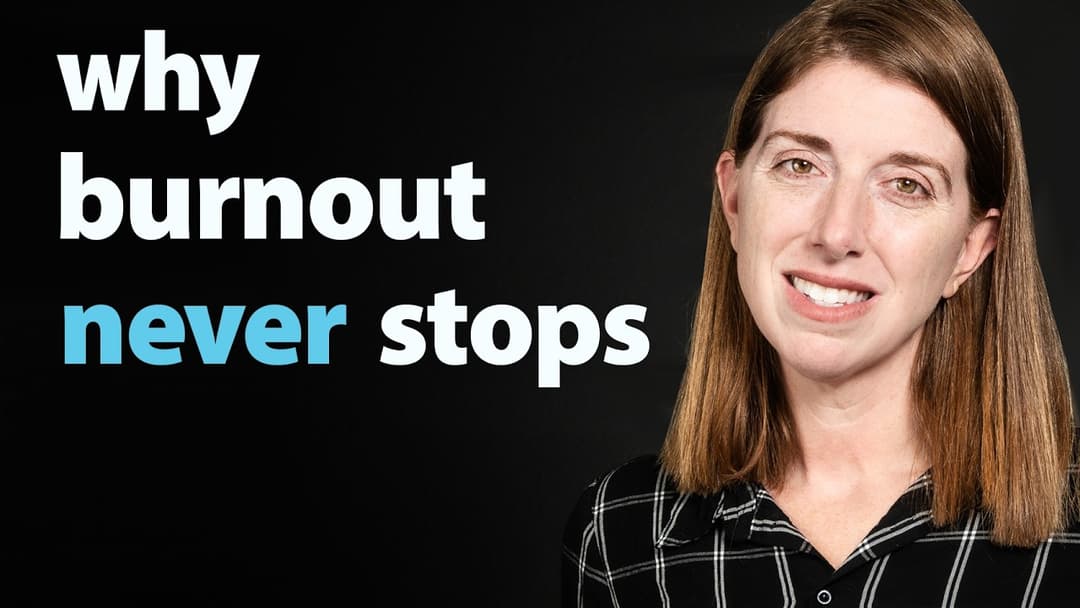
Why Autistic and ADHD Burnout is Different (and What to Do About It)
The two kinds of burnout have different mechanisms and need different responses. A specialised AuDHD channel explains the distinction clearly, without blending them.
AuDHD HubPlay here →
 89:54
89:54Neurodivergent Burnout
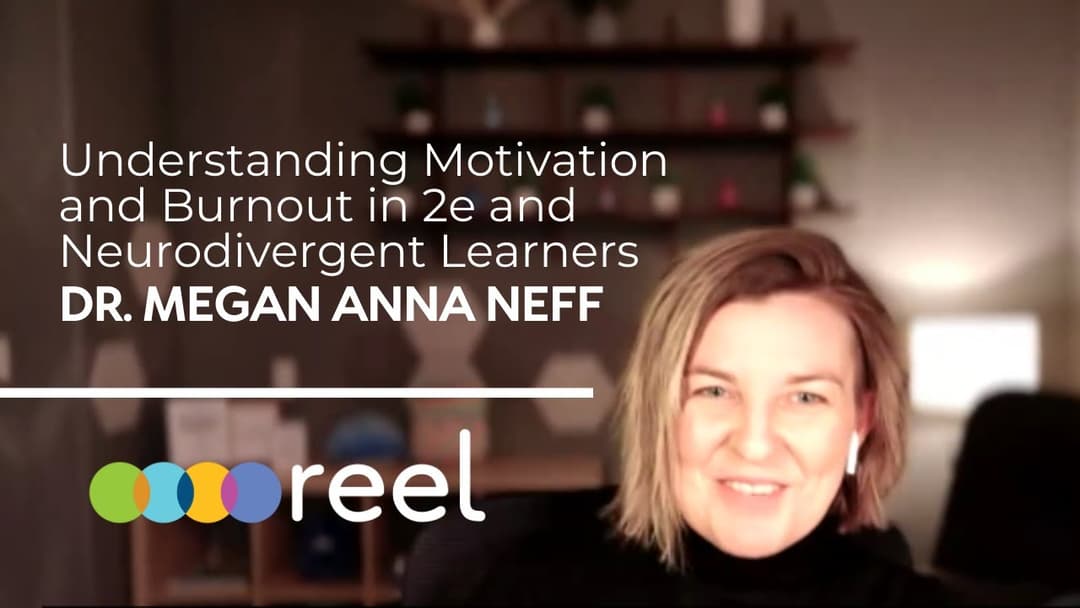
Understanding Motivation and Burnout in 2e and Neurodivergent Learners
Dr. Megan Anna Neff, an AuDHD clinical psychologist, explains the link between motivation and burnout in neurodivergent people — with clinical expertise and lived experience alike.
REEL2e (dr. Megan Anna Neff)Play here →
 4:55
4:55Sensory Processing
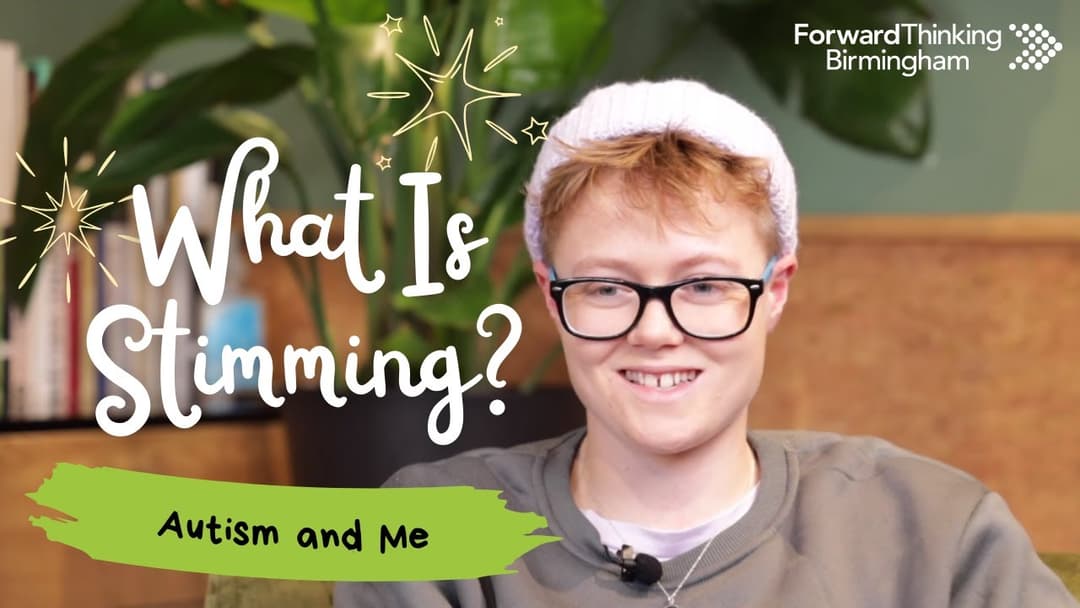
What Is Stimming? | Autism And Me
Two autistic teenagers explain, in their own words, what stimming actually is — a valid form of sensory self-regulation, not a behaviour to correct.
Birmingham Women's and Children's NHS TrustPlay here →